October 30, 2026
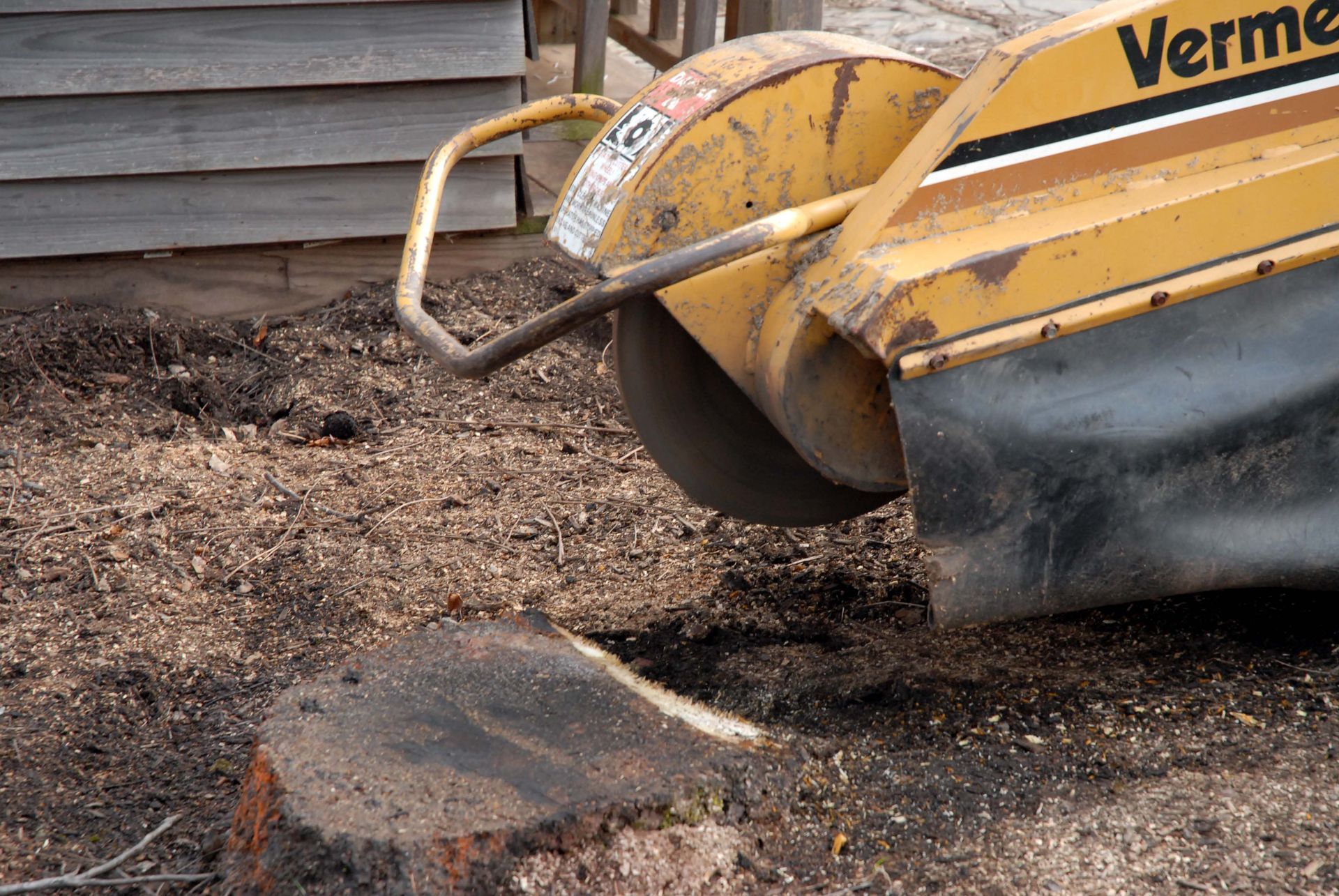
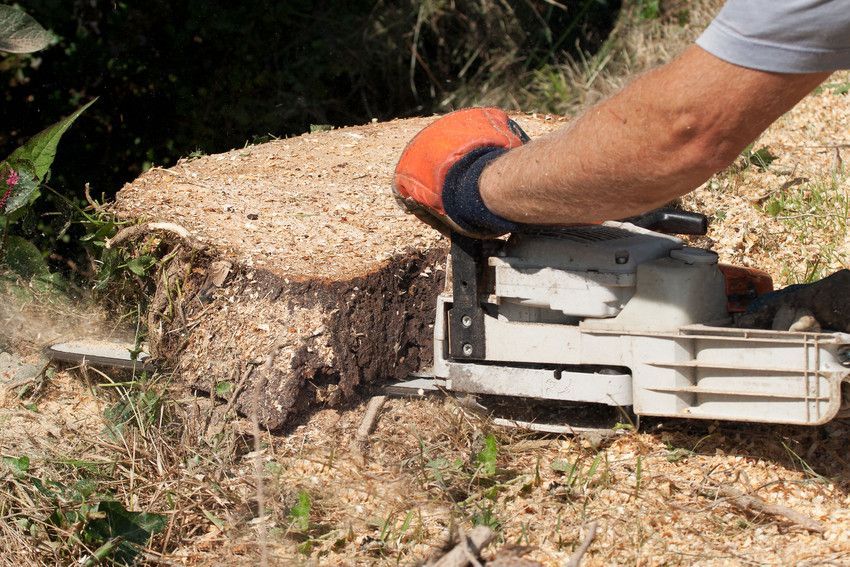
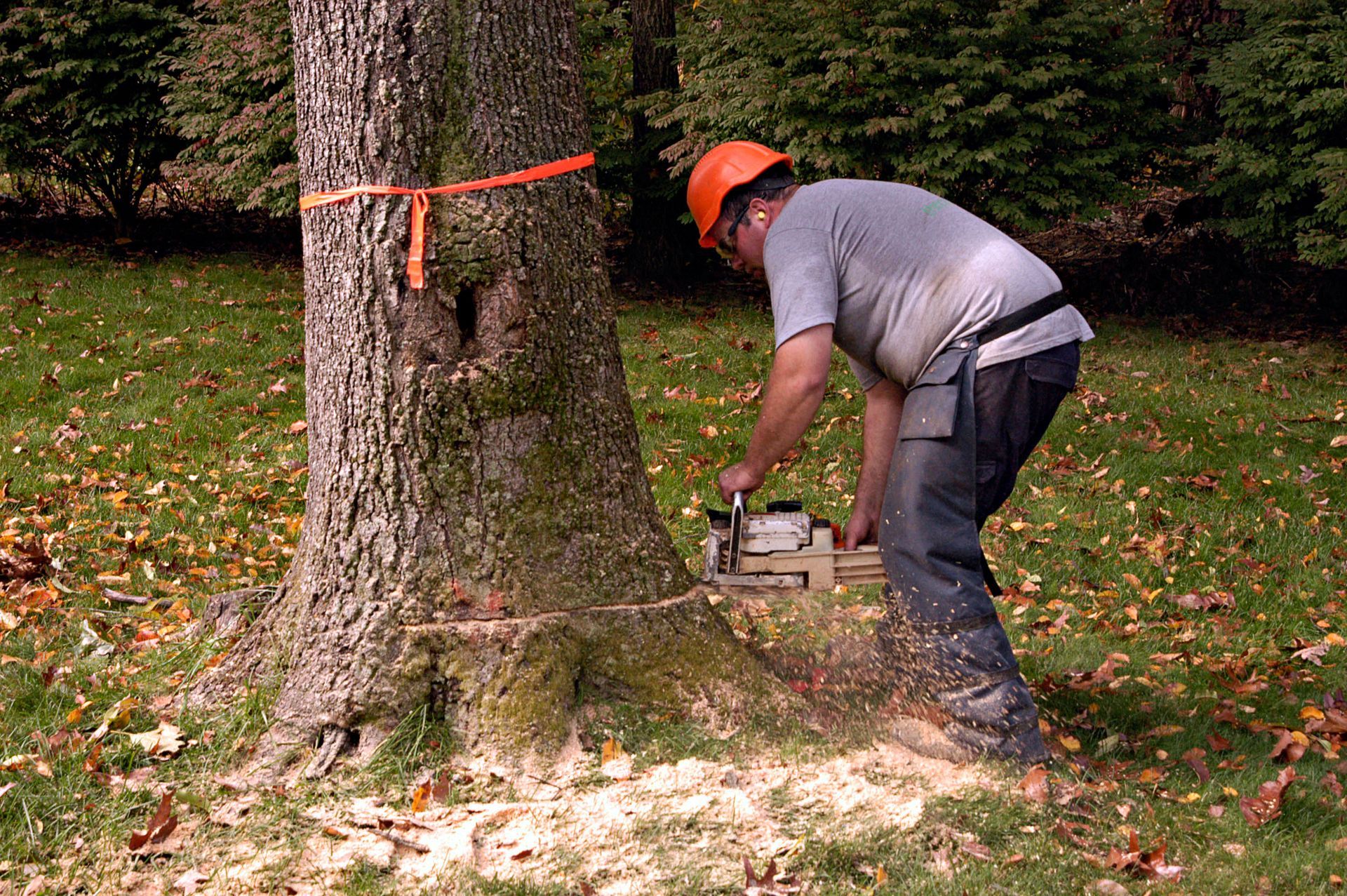
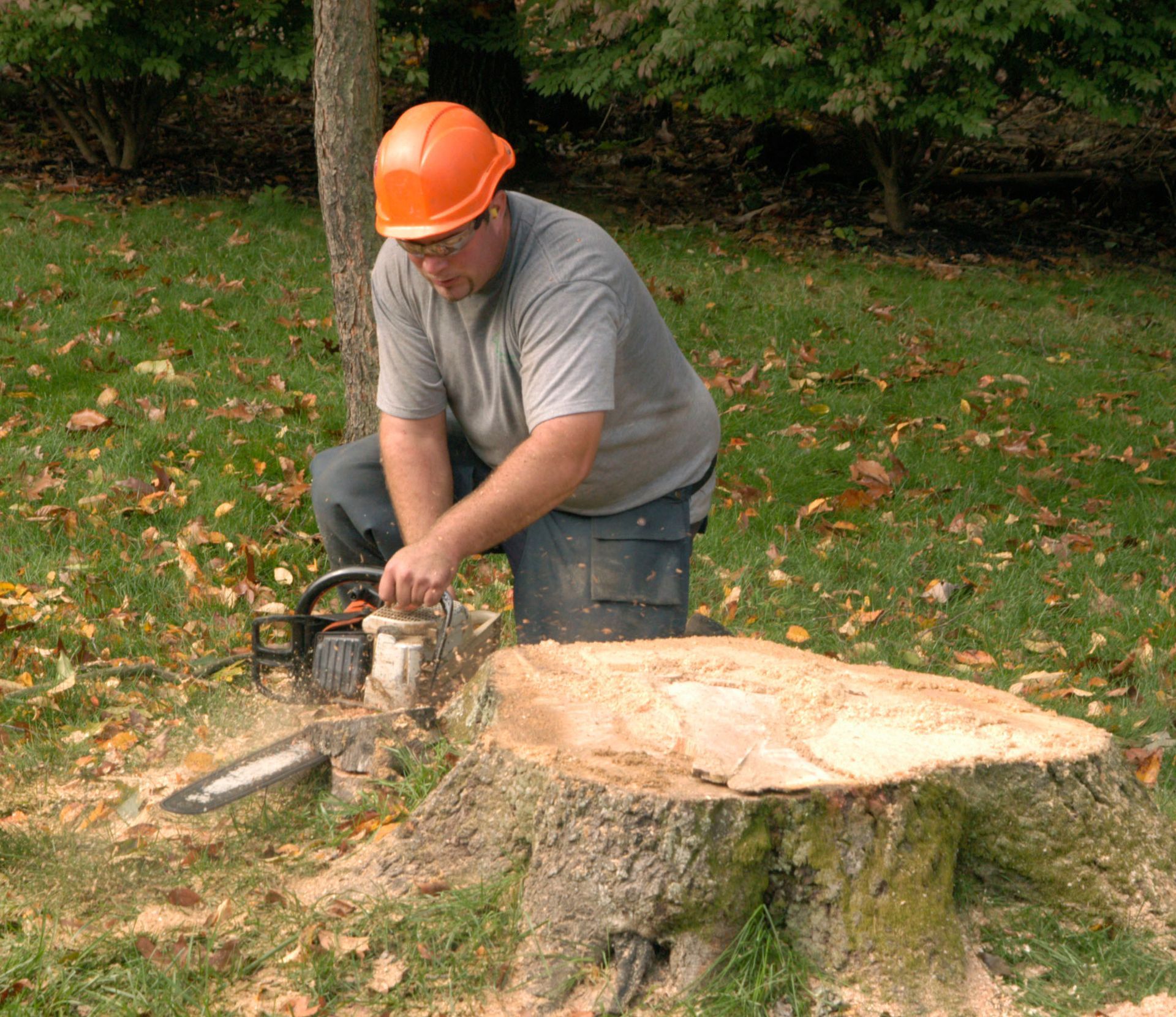
Removing a tree can improve the safety and appearance of a property, but the remaining stump may continue to create problems long after the tree is gone. Tree stumps can obstruct lawn maintenance, attract unwanted pests, interfere with landscaping projects, and create hazards for people walking through the yard. Although some homeowners choose to leave stumps in place, this decision can become inconvenient as the surrounding landscape changes. Professional stump grinding offers a practical way to break down the remaining wood below the surface and prepare the area for future use. Scheduling stump grinding can help property owners address these concerns based on the stump's size, location, and surrounding conditions. The process can also reduce the visible impact of an old stump without requiring the complete excavation of its root system. Recognizing the warning signs that indicate a stump should be removed can help homeowners maintain a safer, more attractive outdoor environment.
1. Recognizing Tripping Hazards Around the Yard
One of the clearest reasons to schedule stump grinding is the risk of someone tripping over a stump in a frequently used area. Low stumps can become difficult to see when grass grows around them, especially in shaded sections of the yard. Children playing outside, guests walking across the lawn, and homeowners performing routine maintenance may accidentally strike the exposed wood. Professional stump grinding can eliminate visible stump obstructions and make walkways and lawns safer to navigate. Grinding the stump below ground level helps remove the visible obstacle and makes the surrounding area easier to use. Property owners should also consider exposed roots that extend beyond the stump and create additional hazards. Addressing these obstacles can make outdoor spaces more convenient for everyday activities. Removing the obstruction early helps prevent a manageable landscaping issue from becoming a source of injury.
2. Preventing Pests From Settling Into Decaying Wood
As a tree stump decomposes, the remaining wood can provide shelter and food for certain insects and other organisms. Depending on the tree species and local conditions, decaying wood may attract termites, carpenter ants, beetles, and other wood-associated pests. The presence of a stump does not automatically mean a pest infestation will occur, but leaving deteriorating wood near a home may create an additional concern. Stump grinding can remove much of the decaying wood that may attract wood-associated pests to the immediate area. Property owners should also address any existing pest activity rather than assuming stump removal alone will eliminate an infestation. Keeping firewood and other wood materials away from the home's foundation can further reduce potential pest-related concerns. An inspection can help determine whether the stump's condition or location warrants attention. Removing unwanted wood is a useful step toward maintaining a cleaner and more manageable landscape.
3. Improving Lawn Care and Routine Maintenance
Tree stumps can make ordinary lawn maintenance more difficult by interrupting mowing patterns and limiting access to sections of grass. Lawn equipment may need to maneuver around the obstruction, increasing the time required to complete routine yard work. Attempting to mow too closely to a stump can also damage mower blades or other equipment if the wood is struck accidentally. Scheduling stump grinding can make mowing easier by eliminating obstacles that interfere with routine lawn maintenance. Once the stump has been ground down, the area can often be prepared for soil, grass seed, or other suitable landscaping materials. The exact restoration process depends on the depth of grinding and the condition of the surrounding ground. Property owners should understand that wood chips left after grinding may need to be removed or managed before planting grass. Eliminating the obstruction can make mowing more straightforward and help create a more uniform lawn.
4. Making Room for New Landscaping Projects
An old stump can interfere with plans to install garden beds, expand a lawn, create a seating area, or redesign an outdoor space. Even when the stump appears small, its position may limit where new plants, edging, or landscape features can be placed. Grinding can help reclaim usable surface space without necessarily requiring the extensive excavation associated with removing the entire root system. Stump grinding can help homeowners reclaim space for garden beds, new plants, and other landscaping projects. Homeowners should explain their landscaping plans before work begins because planting requirements and construction needs may affect the recommended grinding depth. Some projects may require additional root removal, grading, or soil preparation. Considering these details early helps prevent the stump from interfering with future improvements. Removing the obstacle can give property owners greater flexibility when planning an updated outdoor layout.
5. Addressing Unwanted Regrowth Around the Stump
Some tree species can produce new shoots from the remaining stump or root system after the main trunk has been cut down. These shoots may continue appearing around the base, requiring repeated trimming and making the area harder to maintain. Persistent regrowth can be especially frustrating when homeowners want a clear lawn or a carefully planned garden bed. Professional stump grinding can remove the main stump below ground level, although some tree species may continue producing shoots from surviving roots. The likelihood of continued growth depends on the species, root condition, and removal method. Property owners should discuss these factors before selecting a treatment plan. Understanding the potential for regrowth helps establish realistic expectations for maintaining the area after the work is complete. Monitoring the cleared area can help homeowners identify new growth and determine whether additional treatment is needed.
6. Protecting Nearby Walkways and Outdoor Features
Stumps and surrounding roots can complicate landscaping around patios, driveways, walkways, fences, and other outdoor features. Although not every root causes damage, some root systems can interfere with nearby surfaces as they grow or as existing roots change over time. A stump positioned beside a walkway may also restrict repairs or prevent homeowners from adjusting the surrounding landscape. Stump grinding can help clear space around walkways and outdoor features when the site is assessed for underground utilities and other obstacles. Before work begins, the contractor should consider nearby irrigation lines, hardscaping, and other underground features. These precautions help reduce the risk of damaging infrastructure during grinding. Homeowners should share information about known underground installations and property features during the initial assessment. Careful planning helps make stump removal safer and supports the long-term condition of the surrounding landscape.
7. Improving the Appearance of the Property
A prominent stump can make a carefully maintained yard look unfinished, particularly when the surrounding grass, gardens, and outdoor features are in good condition. Weathered wood, uneven edges, and scattered debris may draw attention away from the rest of the landscape. Removing the visible stump can create a cleaner appearance and make the property easier to incorporate into a consistent landscaping design. According to Simple Spring, emergency tree services and stump removal account for approximately 24% of tree removal business, illustrating the role these services play in addressing property owners' tree-related needs. Professional stump grinding can help improve the appearance of the area while preparing the ground for additional landscaping. Homeowners can then decide whether to reseed the lawn, install plants, or use the cleared space for another purpose. The final result depends on the stump's size, the surrounding terrain, and the selected restoration approach. Addressing an unwanted stump can help create a more polished and usable outdoor space.
An unwanted stump can affect yard safety, lawn maintenance, landscaping plans, and the overall appearance of a property. Recognizing these issues early helps homeowners determine when professional grinding is worthwhile and what additional preparation may be necessary. The right approach depends on the stump's size, tree species, location, and the property's future use. South Shore Tree Removal Inc can help property owners evaluate their stumps and understand the available removal options. Contact us to discuss your stump grinding needs and arrange a professional assessment that helps keep your outdoor space safer, cleaner, and ready for future improvements.