October 26, 2026
Trees contribute to a property's beauty, shade, and environmental health, but damage or disease can make them hazardous. Understanding how arborists assess tree health, structural stability, and surrounding conditions helps property owners make informed decisions about preservation or removal.
t
Understanding Tree Health and Its Indicators
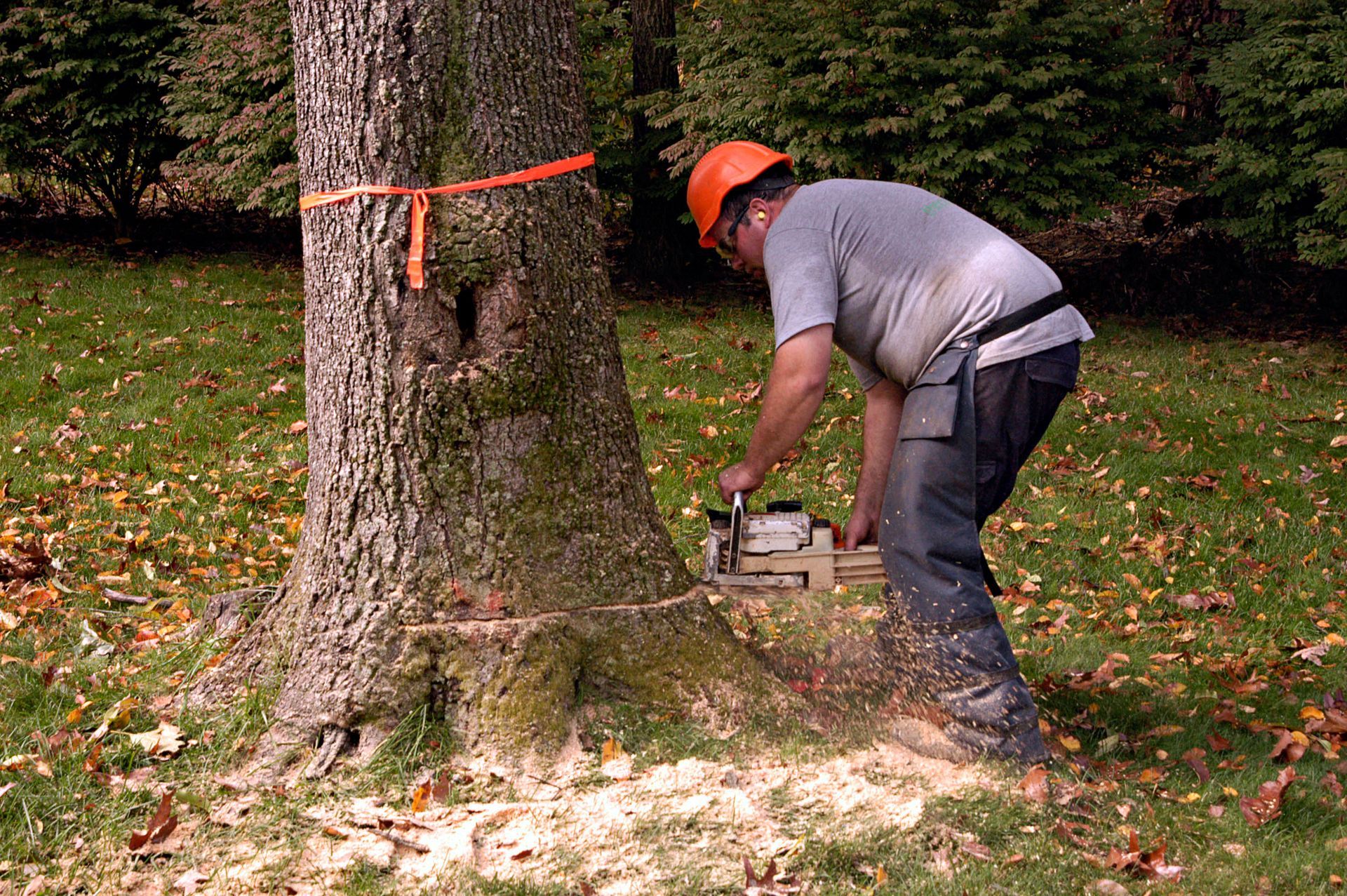
Determining whether a tree should remain in a landscape requires evaluating its health, stability, and potential risks. A professional tree removal service can help property owners understand when removal is necessary and when treatment may preserve a tree safely.
Identifying Signs of Physical Damage
Cracks, splits, hollow sections, and significant trunk damage can indicate structural weaknesses. Storms, construction, and aging may compromise a tree's ability to support its own weight. According to HomeGuide, a certified arborist should evaluate a tree for potential removal if it exhibits severe trunk damage or if dead branches comprise over 50% of its canopy.
Arborists examine damaged areas to determine whether defects affect the entire tree or individual branches. Visual inspections and specialized diagnostic tools can reveal internal decay. Depending on the findings, professionals may recommend pruning, monitoring, or removal. Prompt evaluation is especially important when damaged trees stand near homes, vehicles, or frequently used outdoor areas.
Evaluating Fungal Growth and Decay
Mushrooms and other fungal growths around a trunk or root flare may indicate internal wood decay. Certain fungi weaken structural tissues over time, increasing the risk of falling limbs or tree failure.
Arborists assess fungal activity alongside cavities, soft wood, and declining branches. Diagnostic equipment can help evaluate deterioration without unnecessarily damaging the tree. Removal may be appropriate when decay significantly reduces structural strength, especially near homes or walkways. A tree removal service can help address these hazards when preserving the tree is no longer a safe option.
Recognizing Leaf and Bark Abnormalities
Discolored leaves, premature leaf drop, peeling bark, and unusual growth can reveal underlying health problems. These symptoms may result from disease, pests, drought, or environmental stress. Arborists distinguish normal seasonal changes from signs of serious decline.
Identifying the cause helps determine whether treatment is possible. Pest management, improved growing conditions, and appropriate pruning may restore a stressed tree. Extensive decay or structural damage, however, may require more substantial action.
Examining Roots and Pest Activity
Roots provide stability and absorb the water and nutrients trees need to survive. Damaged or decaying roots can weaken a tree's foundation, particularly when accompanied by disturbed soil or a sudden change in position. Construction and compacted soil may also restrict root development.
Arborists inspect for pests by looking for bark holes, damaged foliage, sawdust-like material, and visible insects. Early treatment can sometimes control infestations, but severe damage may leave a tree vulnerable to failure. A tree removal service may be recommended when treatment cannot adequately address the risks.
Evaluating Safety Risks and Structural Concerns
Assessing Trees Near Power Lines
Trees growing near electrical lines can create hazards when branches contact energized equipment or interfere with utility infrastructure. Professionals evaluate branch clearance and future growth to determine whether pruning or removal is necessary.
Property owners should never cut branches near power lines themselves. Utility companies and qualified professionals can coordinate safe maintenance while ensuring compliance with applicable requirements. Regular inspections are also valuable because branches that initially remain clear can grow into hazardous positions over time.
Inspecting Leaning Trees and Heavy Branches
A pronounced lean, particularly one that develops suddenly, may indicate root failure or shifting soil. Arborists examine the tree's position and surrounding ground to determine whether it remains stable. Heavy branches can also break under wind, snow, or ice.
Strategic pruning may reduce branch weight and improve stability. When the entire tree presents an unacceptable risk, a professional tree removal service may be the safest option. Property owners should arrange an assessment promptly if a tree begins leaning unexpectedly or the soil around its base starts lifting.
Examining Branch Attachments and Tree Placement
Narrow branch angles, included bark, and weak attachment points can increase the likelihood of limb failure. Arborists assess these weaknesses alongside branch size and exposure to severe weather. Pruning, cabling, or bracing may help manage some problems.
Location also matters. A damaged tree over a roof, driveway, or public walkway presents greater potential consequences than one in an open field. Professionals consider nearby buildings, underground utilities, and property boundaries when recommending appropriate action. This assessment helps determine whether targeted maintenance or a complete tree removal service is warranted.
Protecting Pedestrians and Shared Spaces
Trees near sidewalks, parks, and commercial entrances require careful monitoring because falling branches can injure people. Regular inspections help identify instability, damaged limbs, and other hazards before they become emergencies.
Property owners should also understand local requirements for trees near public walkways and neighboring properties. Prompt attention to hazardous growth helps maintain accessible, safer outdoor spaces while allowing healthy trees to continue benefiting the community.
Assessing Environmental and Ecological Impacts
Protecting Wildlife Habitats
Trees provide nesting sites, shelter, and food for birds, insects, and other wildlife. Removing a mature tree can disrupt these resources, particularly for species that depend on specific habitat features.
When removal is necessary, replacement planting may help restore habitat. Property owners should also check applicable wildlife protection rules, especially when active nests or protected species may be present. Evaluating these concerns before work begins helps reduce unnecessary disruption to the surrounding ecosystem.
Preserving Shade and Reducing Heat
Tree canopies provide shade and release moisture through transpiration, helping moderate temperatures around buildings and paved surfaces. Removing large trees can increase direct sunlight and reduce these cooling benefits.
When removal cannot be avoided, planting suitable replacement trees can restore shade over time. Arborists can recommend species that fit the available space and local growing conditions, helping prevent future conflicts with foundations, sidewalks, and overhead utilities.
Maintaining Soil Stability and Water Quality
Tree roots help hold soil in place, reduce erosion, and support water infiltration. Removing trees on slopes or near waterways may expose soil to erosion, potentially affecting drainage and water quality.
Professionals can recommend replacement vegetation or erosion controls when necessary. Considering these factors helps protect the surrounding land while addressing safety concerns, particularly in areas where heavy rainfall could wash exposed soil into nearby waterways.
Considering Native Species and Carbon Storage
Some nonnative trees spread aggressively and compete with native vegetation for sunlight, water, and nutrients. Removing invasive species may support local biodiversity when followed by appropriate replacement planting.
Trees also absorb carbon dioxide and store carbon as they grow. Preserving mature trees whenever safety allows helps maintain these environmental benefits. Replacement planting can gradually rebuild canopy cover after necessary removal.
Making an Informed Tree Removal Decision
Comparing Treatment and Removal Options
Professional evaluations help property owners distinguish between trees that need routine care and those presenting unacceptable risks. Arborists consider the severity of damage, likelihood of failure, location, and potential treatment outcomes. Pruning, pest management, and structural support may resolve certain problems without removal.
When a tree is severely decayed, unstable, or unlikely to recover, a professional tree removal service can explain the findings and outline appropriate solutions. A thorough assessment helps property owners make informed decisions rather than relying on appearance alone. Asking questions about alternative treatments also helps clarify why removal is recommended and what risks those alternatives might leave unresolved.
Planning for Safe and Responsible Removal
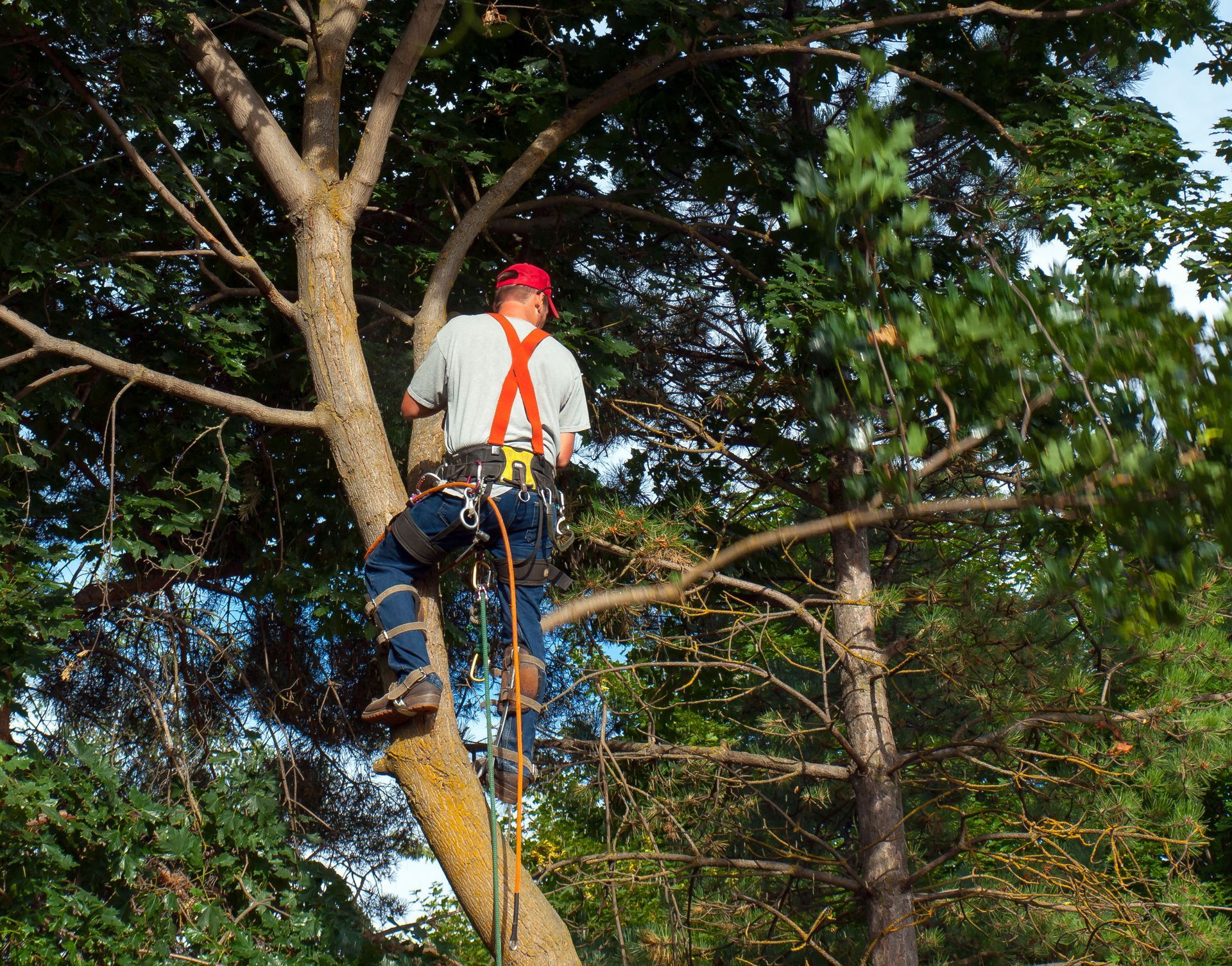
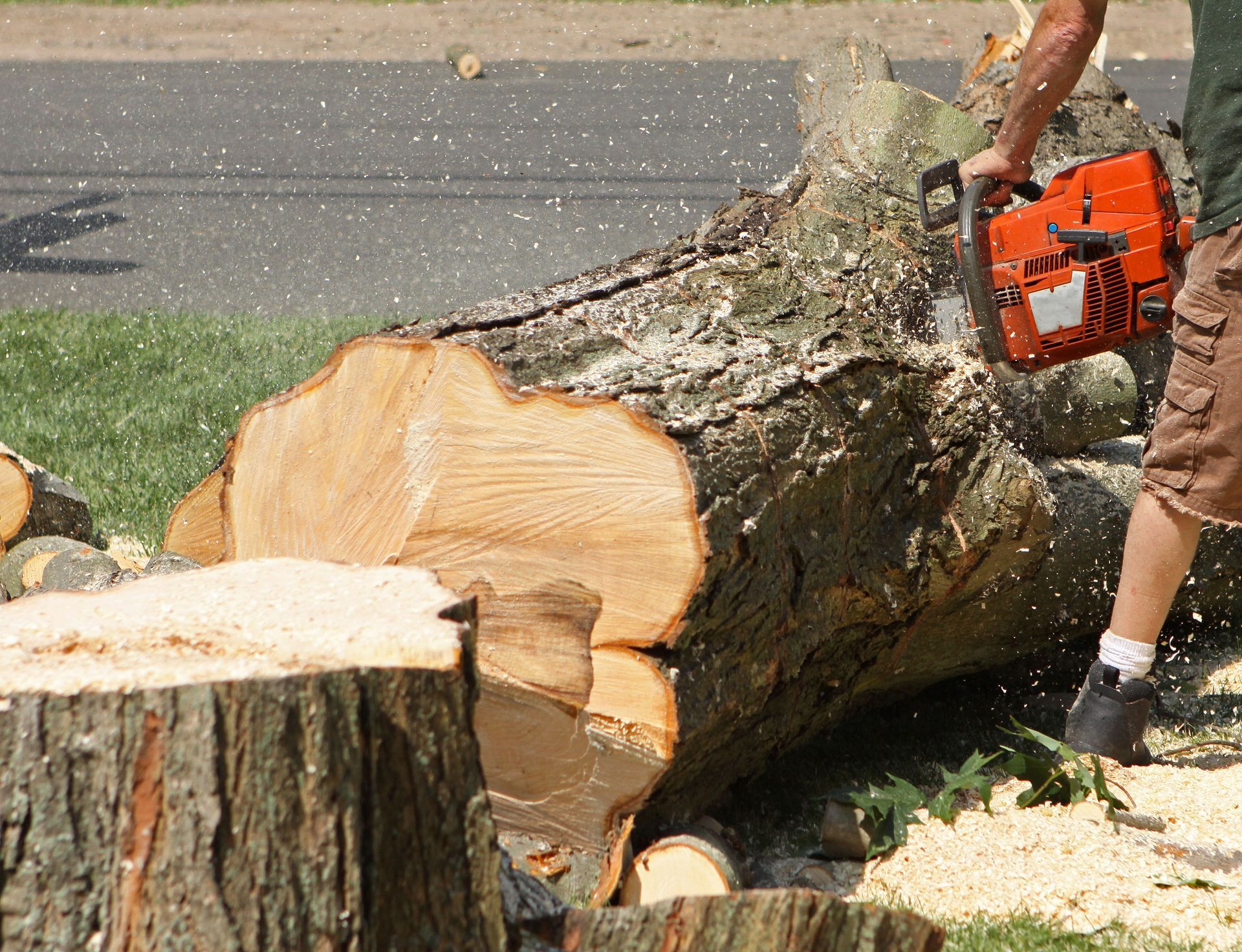
Before work begins, professionals assess access, nearby structures, overhead hazards, and safe removal methods. They also determine whether permits or utility coordination are necessary. Proper planning helps prevent property damage and ensures the work meets applicable requirements. Hiring qualified professionals also reduces the risks associated with handling heavy limbs and operating specialized equipment.
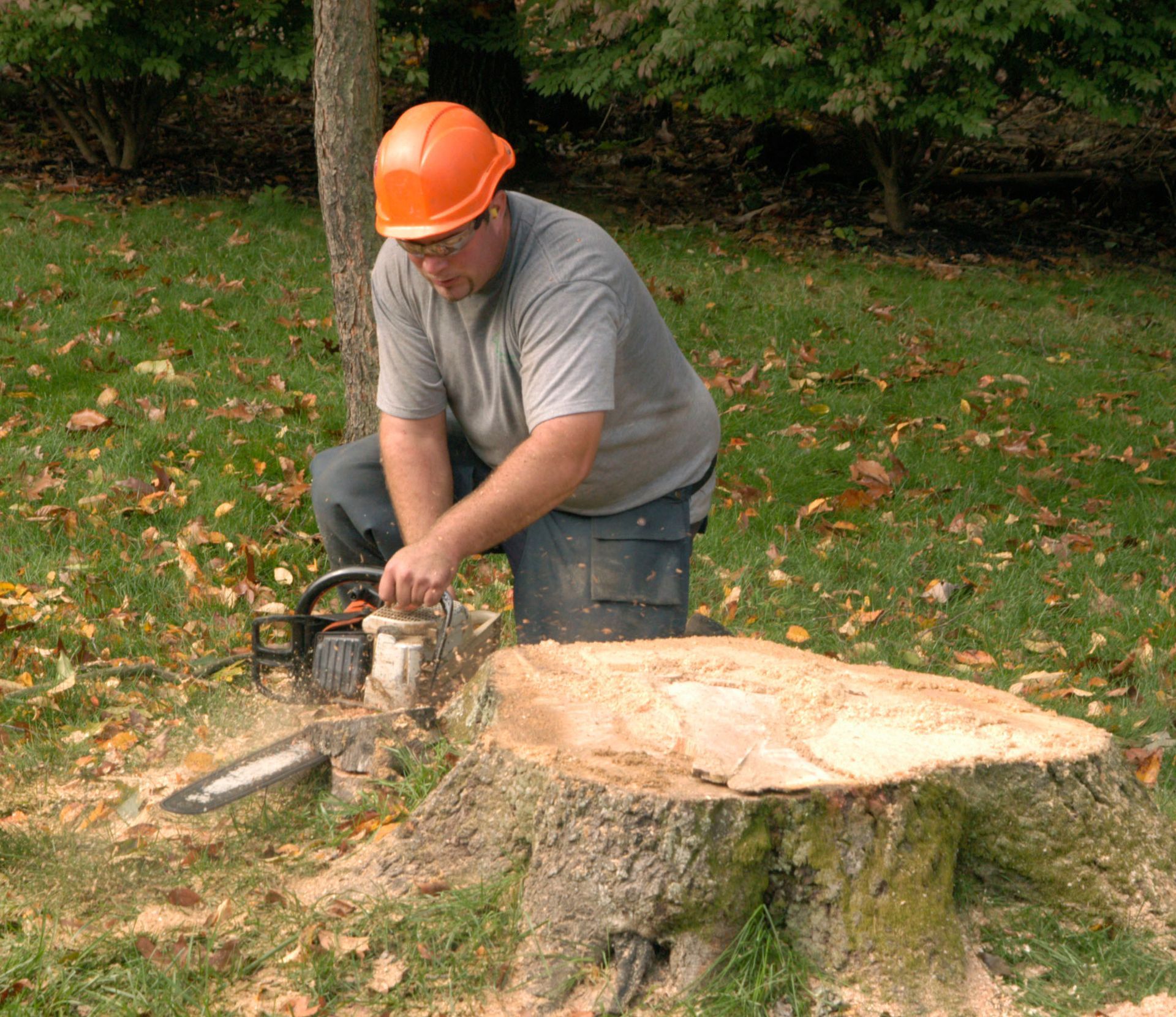
Afterward, property owners can discuss stump management, debris handling, and replacement planting. South Shore Tree Removal Inc. can help property owners evaluate their options and determine appropriate next steps. Professional guidance supports safer decisions while balancing property protection, tree preservation, and environmental health.