October 29, 2026
Trees add shade and beauty to residential properties, but dead branches, structural damage, root problems, and storm-related stress can create potential hazards. Recognizing these warning signs helps homeowners protect their homes and surrounding landscapes.
According to conXpros, more than 25% of homeowners are currently looking for professional services to maintain their property's trees. For Massachusetts homeowners, proactive tree care is especially important because strong winds, heavy snowfall, and seasonal storms can place additional stress on trees.
Waiting until a tree falls or a branch breaks can lead to unexpected damage. Regular professional evaluations help identify concerns before they escalate, allowing homeowners to make informed decisions about hazardous trees while preserving the benefits of a healthy landscape. Professional tree removal services can help address trees that pose risks to nearby structures and outdoor spaces.
Recognizing Early Signs of Tree Hazards
Trees do not always show obvious signs of structural weakness before problems develop. However, certain changes can indicate that a professional assessment is warranted. Dead branches, cracks in the trunk, damaged root areas, extensive decay, and a sudden change in a tree's position may signal concerns that deserve attention.
Leaning trees require particular consideration when the lean develops suddenly or appears alongside exposed roots, soil movement, or trunk damage. Although some trees naturally grow at an angle, a recent change can indicate instability. A qualified tree care professional can evaluate the tree's condition and determine whether the situation presents a meaningful risk.
A tree’s canopy can reveal signs of stress, disease, or damage, including deadwood, broken limbs, uneven growth, and changes in foliage. Location also matters, as weakened trees near homes, driveways, fences, or outdoor gathering spaces may pose greater risks.
Professional tree removal services may be necessary when a tree is dead, severely damaged, or structurally unstable. A qualified professional can evaluate the tree’s condition, assess nearby hazards, and determine whether removal or another form of care is the most appropriate solution for the property.
Evaluating Weather-Related Risks Around the Property
Massachusetts weather can create challenging conditions for residential trees. Strong winds, heavy rain, snow accumulation, and ice can damage branches or place stress on trunks and root systems. Trees already weakened by disease, decay, or previous storm damage may be especially vulnerable when severe weather arrives.
Spring provides an opportunity to assess trees after winter storms. Snow and ice can break limbs, while freezing temperatures and shifting soil may contribute to stress. A professional inspection can help identify visible damage and determine whether additional work is necessary before the growing season progresses. When storm damage compromises a tree's stability, tree removal services may be needed to address potential hazards.
Summer thunderstorms introduce different concerns. Strong gusts and saturated soil can affect tree stability, particularly when roots have been compromised. Lightning can also cause significant damage to individual trees. Following a severe storm, homeowners should pay attention to newly broken branches, hanging limbs, split trunks, and changes in the surrounding soil.
Autumn is a useful time to prepare the landscape for winter. Addressing known tree hazards before snow and ice accumulate may help reduce certain seasonal risks. Homeowners can arrange professional evaluations to identify damaged trees and discuss appropriate maintenance before winter weather makes conditions more difficult.
Winter presents its own challenges when branches become weighed down by snow or ice. If a tree is damaged and threatens a building, blocks access, or interferes with utility lines, professional assistance may be needed promptly. Homeowners should avoid approaching unstable trees or attempting to remove heavy, suspended branches themselves. Qualified tree removal services can assess hazardous conditions and determine the appropriate response.
Protecting Homes, Driveways, and Outdoor Structures
A tree's proximity to buildings and other property features can influence the consequences of structural failure. Branches extending over a roof may damage shingles, gutters, or other components if they break. Large limbs above parked vehicles, walkways, patios, and play areas can also create concerns when their condition deteriorates.
Roots require consideration as well. Depending on the tree species, soil conditions, and available growing space, roots may affect sidewalks, driveways, retaining walls, or underground infrastructure. However, surface roots and nearby pavement damage do not necessarily mean a tree is unstable or must be removed. A professional assessment can help clarify the cause of the problem and identify appropriate options.
Homeowners should also consider how planned property improvements interact with existing trees. Construction, excavation, grading, and changes to drainage can affect root systems and growing conditions. A tree that appears healthy may experience stress after nearby soil has been disturbed, making early planning important when renovating a yard or adding an outdoor structure.
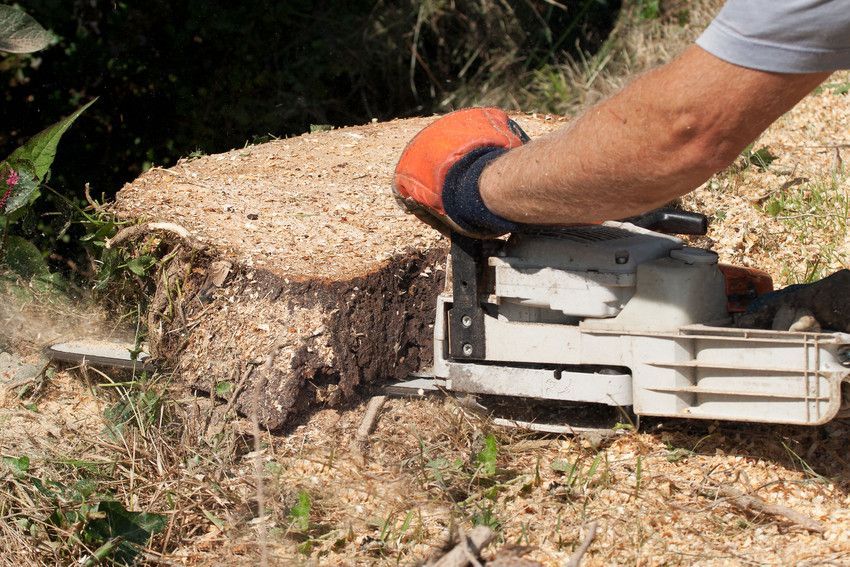
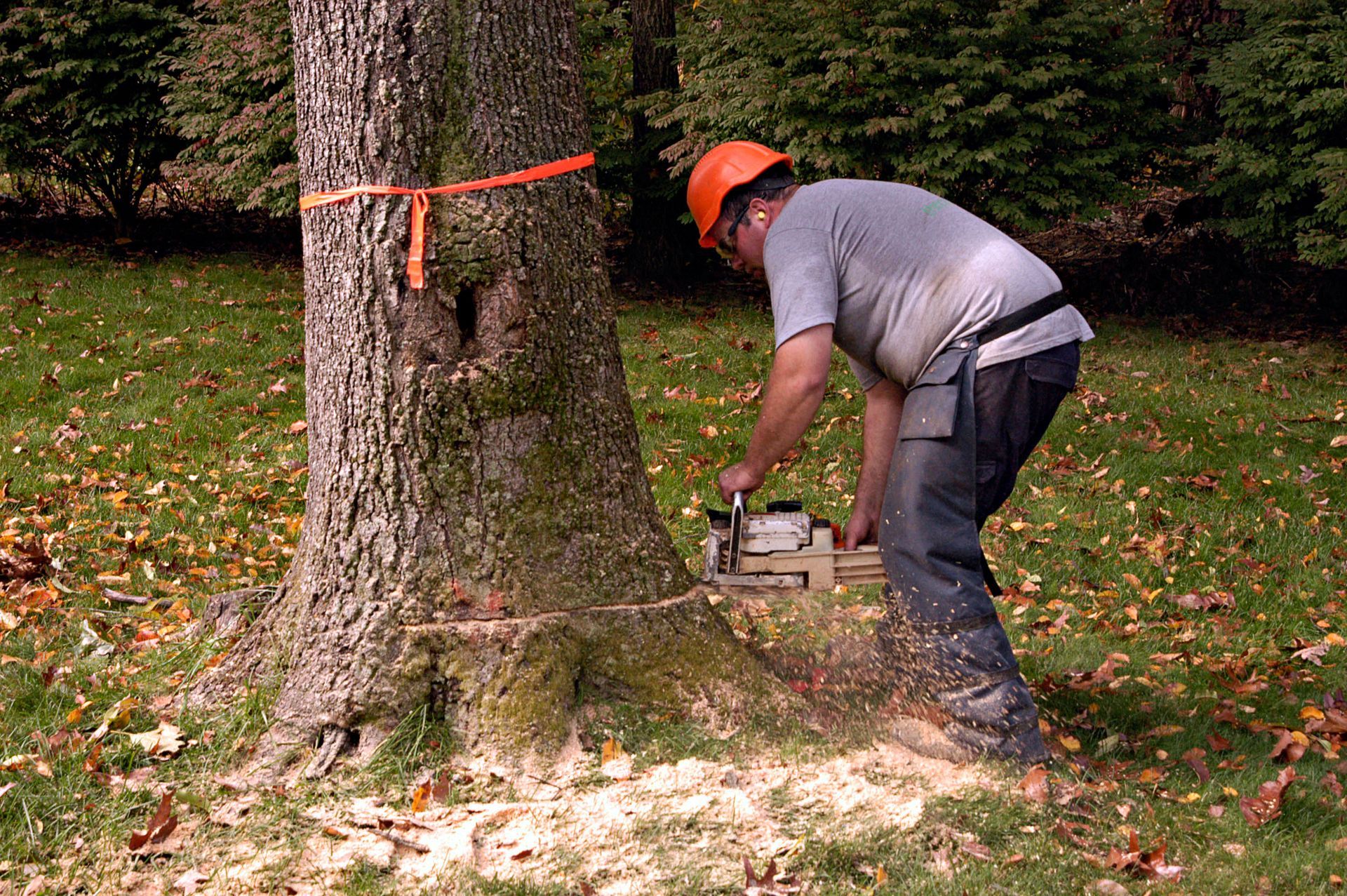
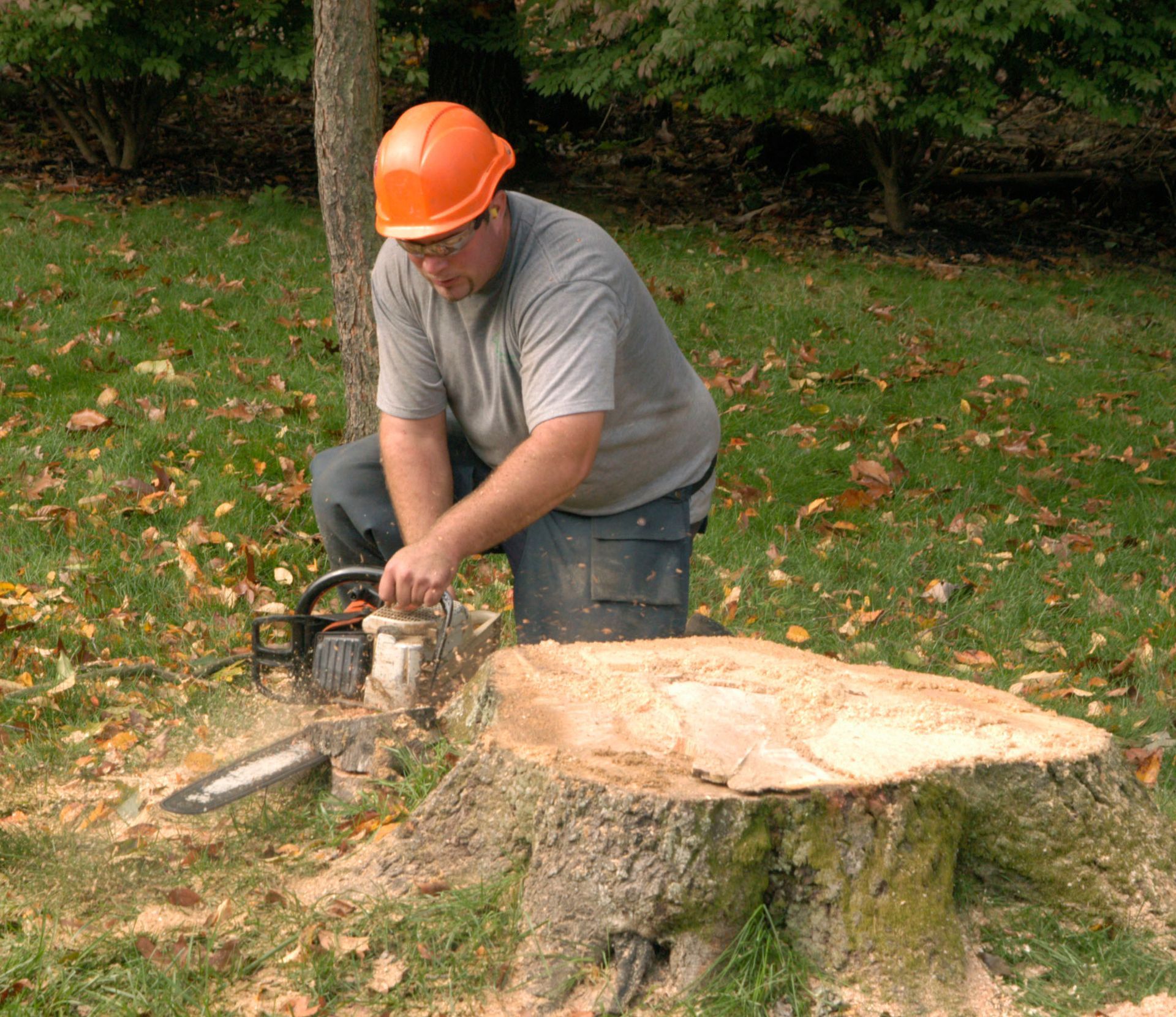
When a tree presents an unacceptable risk to a home or surrounding features, professional removal may help address the concern. The work requires careful consideration of the tree's height, condition, weight, surrounding obstacles, and available access. Experienced professionals can evaluate these factors and determine an appropriate approach for the property.
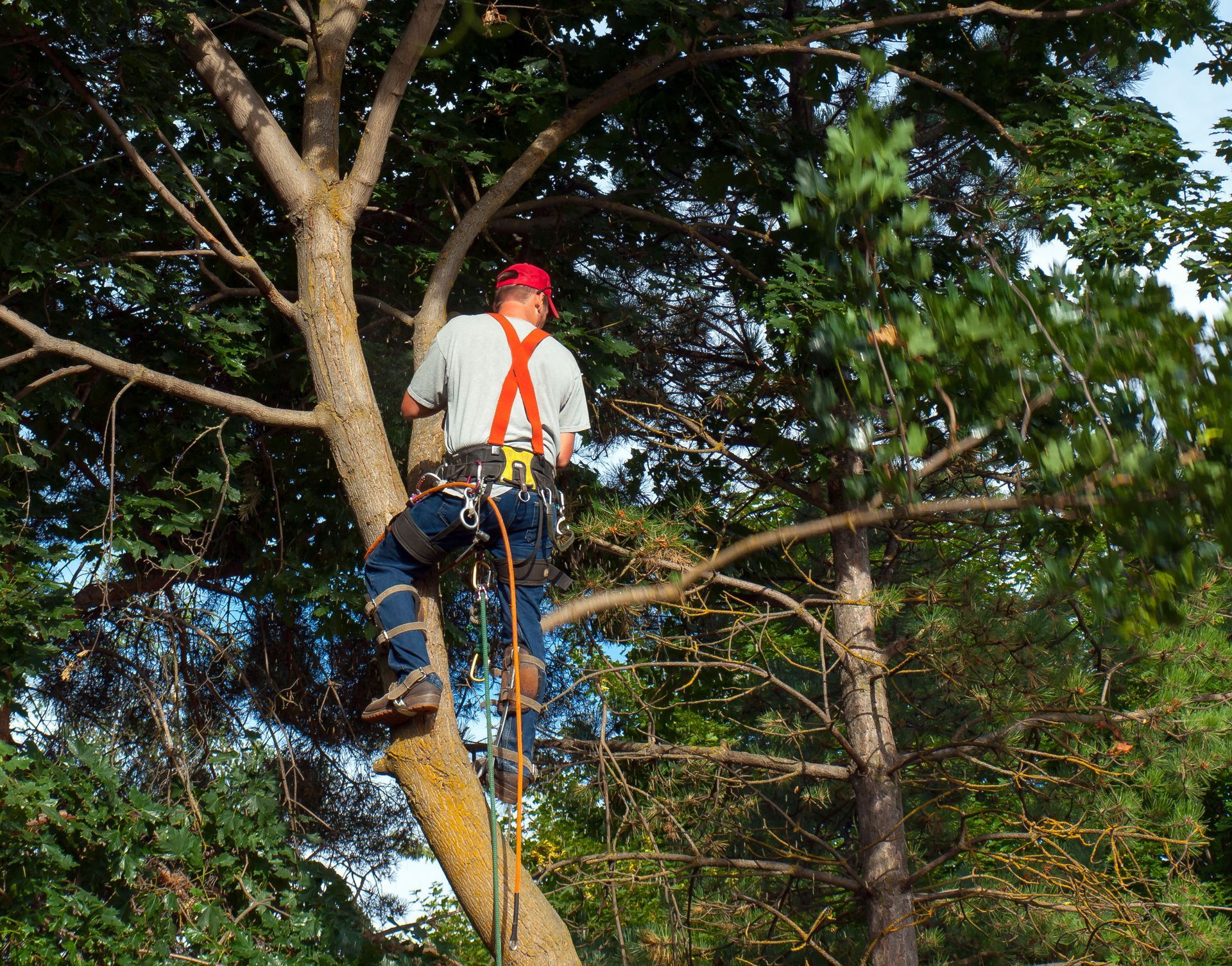
Professional tree removal services are especially valuable when trees are close to buildings, overhead utilities, or other obstacles that limit working space. These projects can involve unpredictable movement and substantial weight, so qualified crews and suitable equipment are essential to managing the work safely.
Understanding When Removal Becomes Necessary
Not every damaged or unhealthy tree needs to be removed. Some trees can remain in place with appropriate care, while others may require more extensive intervention. The decision depends on factors such as structural integrity, the extent of decay, the tree's location, and the potential consequences of failure. Professional tree removal services can help homeowners understand their options when a tree's condition raises safety concerns.
A dead tree may become more hazardous as its wood deteriorates, particularly when it stands near occupied areas or structures. Similarly, a tree with major trunk cracks, extensive decay, or significant root failure may be unable to support its weight reliably. A professional can evaluate these conditions and explain the available options.
Disease and pest activity can also affect a tree's long-term condition. Some problems can be managed through appropriate treatment or pruning, while severe damage may make removal the more practical option. Because symptoms can have different causes, a qualified assessment is useful before making decisions about a tree's future.
Storm damage can change the situation quickly. A split trunk, partially uprooted tree, or large broken limb may create an immediate hazard. In these circumstances, property owners should keep people away from the affected area and contact a qualified professional. Trees or branches entangled with power lines should be treated as dangerous, and the utility company should be contacted when electrical infrastructure is involved.
Planning Tree Care Before Problems Escalate
Proactive maintenance starts with paying attention to changes in the landscape and arranging professional evaluations when concerns arise. Homeowners do not need to wait for visible damage or an approaching storm to consider the condition of their trees. Periodic assessments can help identify developing problems and establish priorities for maintenance.
Planning is particularly important when a property contains mature trees near buildings, driveways, or frequently used outdoor spaces. A professional can review the condition of individual trees and explain which concerns require immediate attention and which can be monitored over time.
Property owners should also consider the timing of planned work. Scheduling tree care before a construction project, seasonal storm period, or major landscaping change may make coordination easier. The appropriate timing depends on tree condition, weather, access, and the scope of the work. When removal is part of a larger property project, arranging tree removal services in advance can help coordinate the work with other improvements.
Local tree removal requirements vary, so homeowners should confirm whether permits are needed. Clear communication with a tree care provider about property concerns, access, insurance, cleanup, and scheduling supports better planning. By recognizing warning signs, considering seasonal weather, and addressing structural concerns early, homeowners can maintain safer outdoor spaces.
For help assessing hazardous, damaged, or unwanted trees, contact South Shore Tree Removal Inc to discuss your property and arrange professional tree care services.