October 9, 2026
Understanding the nuances of tree removal is crucial for ensuring safety, efficiency, and environmental responsibility. This article provides essential tips for homeowners and professionals engaged in tree removal services. While some people may consider tree removal a straightforward task, it involves complex procedures requiring proper planning and skills. The risks associated with tree removal can range from property damage to personal injury, thus necessitating a thorough understanding of each step. With the rise in demand for tree trimmers and pruners, projected to have about 18,800 openings annually from 2025 to 2035 according to the U.S. Bureau of Labor Statistics, becoming knowledgeable in these areas is more important than ever. Continue reading to learn how tree removal services handle the process.
The Need for Tree Removal
Tree Health
When considering tree removal, evaluating the health of the tree is the first step. This involves inspecting the tree for signs of disease such as fungus growth or unusual leaf discoloration, which can indicate a sick tree. Decayed areas on the trunk or branches might reveal internal weaknesses in the tree structure. Structural instability, particularly in large trees, poses significant safety hazards. Making an informed decision based on tree health supports safety and the longevity of the surrounding ecosystem.
Environmental Impact
The environmental impact of tree removal is often underestimated but is a crucial factor to consider. Trees provide habitat for various wildlife, and their removal can disrupt local ecosystems. Changes in sunlight exposure, soil quality, and hydrology can occur post-removal, affecting the broader environment. Consulting with an environmental expert can provide insights into ecological considerations and mitigation measures. Responsible tree removal practices maintain ecological balance and embrace sustainability.
Local Regulations
Before proceeding with tree removal, it's imperative to familiarize yourself with local regulations. Different jurisdictions have specific laws concerning the removal of trees, especially those protected by environmental laws. Obtaining necessary permits not only adheres to legal standards but also prevents potential fines and legal consequences. Engaging with local authorities ensures compliance and informed decision-making. Understanding regulations reinforces ethical practices in tree management.
Budgeting and Cost Analysis
Tree removal can be a costly endeavor, and preparing a detailed budget is essential. Costs typically include labor, equipment hire, and disposal fees, which necessitate a comprehensive cost analysis. Engaging multiple service providers for quotes can provide a clearer picture of market rates and potential cost savings. Understanding potential costs beforehand facilitates financial planning and resource allocation. As the demand for professional tree trimming services increases, competitive pricing can help manage budgets effectively.
Professional Arborist Consultations
Professional tree removal services play a crucial role in the tree removal decision-making process. Their expertise in tree health, risk assessment, and removal strategies can provide invaluable insights. Consulting with an arborist ensures that tree removal is truly necessary and not decided prematurely. Arborists can also recommend alternative solutions to removal if possible, such as tree trimming or bracing. Engaging expert opinions maximizes safety and resource efficiency.
Necessary Equipment
Safety Gear Essentials
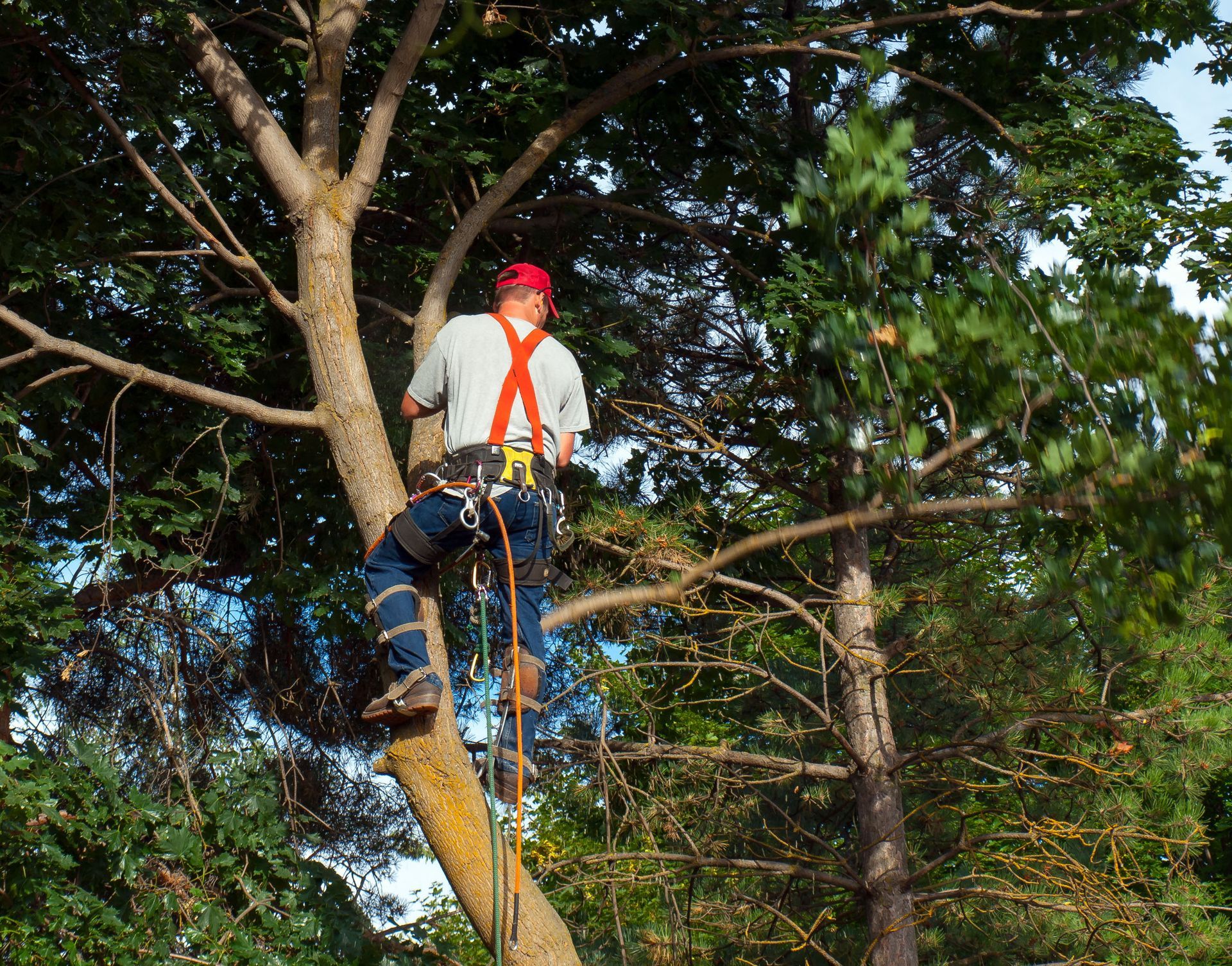
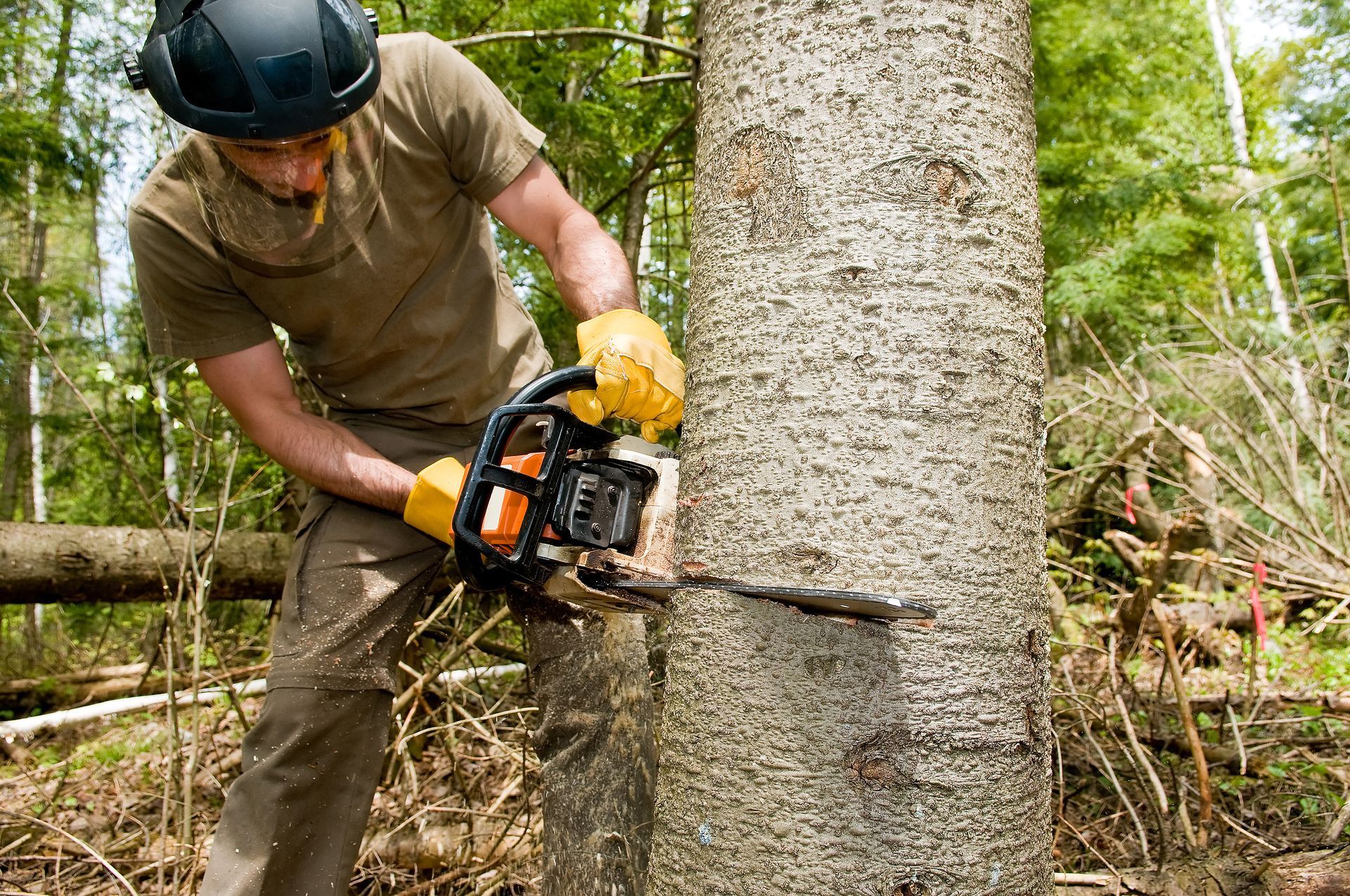
Ensuring the safety of personnel is paramount in tree removal services. Essential safety gear includes helmets, safety goggles, gloves, and steel-toed boots. High-visibility clothing is also necessary to enhance visibility, particularly in dense work environments. Safety harnesses and fall protection gear are crucial when working at heights. Comprehensive safety measures mitigate the risk of injury and promote a secure working environment.
Tools and Machinery
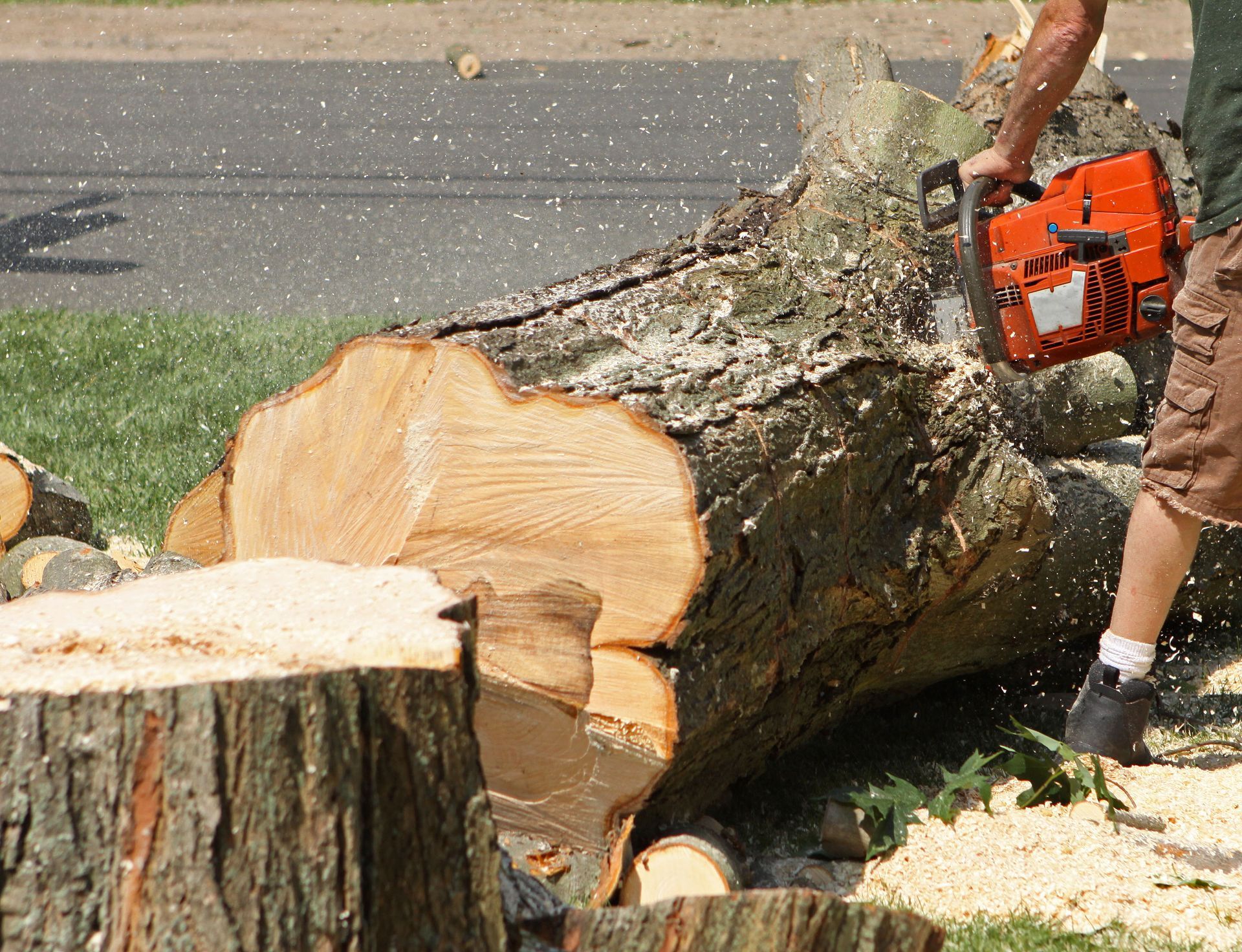
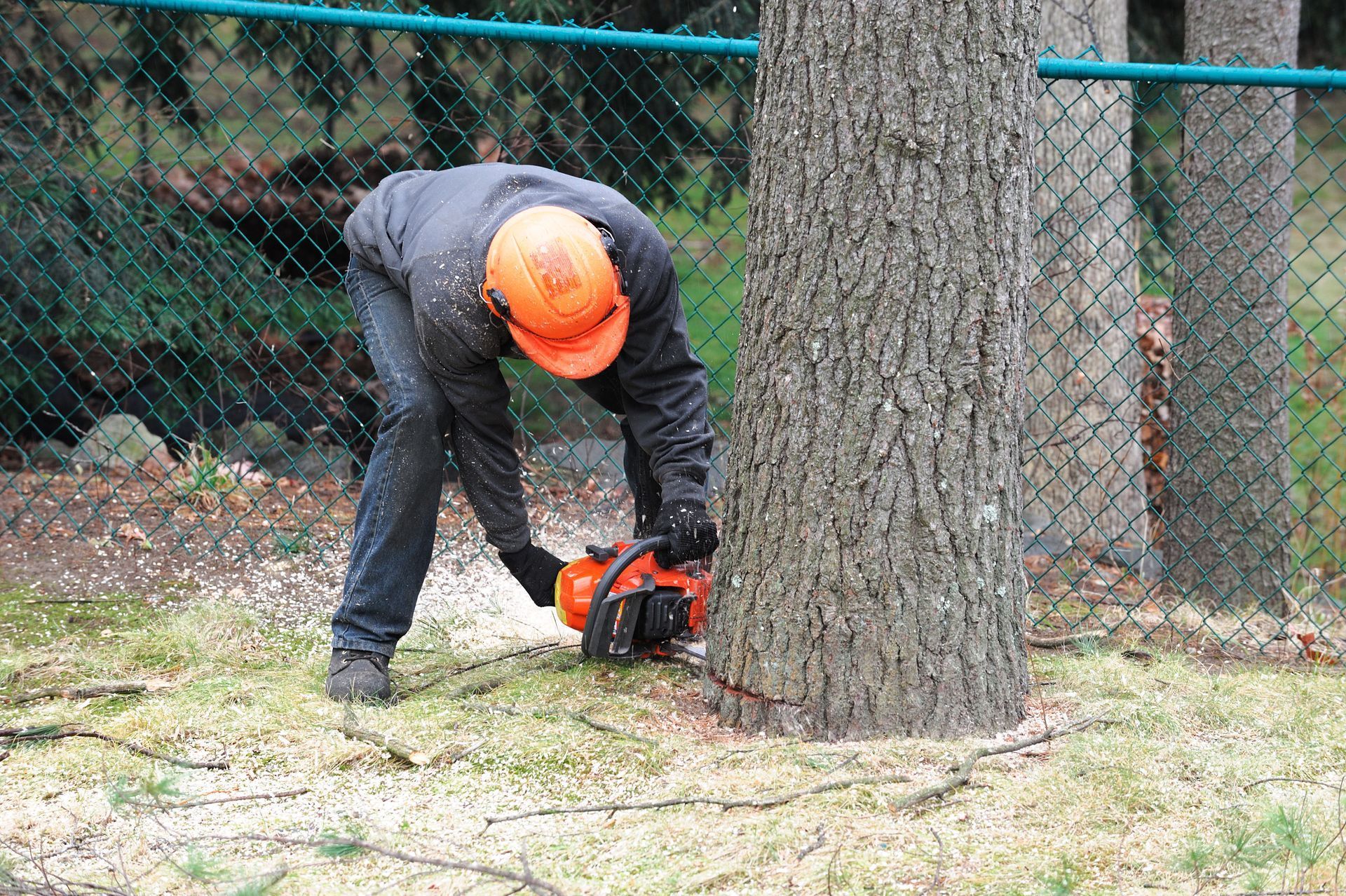
Tree removal services choose the right cutting tools, and machinery is a critical aspect of effective tree removal. Chainsaws are the most common tools used, but the specific size and power needed depend on the tree's size. For particularly large trees, cranes and powered equipment might be necessary. Using well-maintained and appropriate machinery ensures precision and efficiency. Keeping abreast of technological advancements in tree removal tools can significantly enhance operational outcomes.
Rigging and Roping Equipment
Rigging and roping are fundamental to controlling the direction and safety of tree falls. Properly rated ropes and knot techniques are essential for safely guiding limbs and trunks. Load calculation and balance are vital to prevent uncontrolled drops. Investing in high-quality rigging equipment enhances control and safety. Training in advanced rigging techniques ensures skillful execution during complex removals.
Clearing and Disposal Equipment
Once a tree is felled, clearing and disposing of debris becomes the focus. Chippers and shredders handle smaller branches, while larger limbs may require additional machinery to transport or repurpose. Organizing vehicles and teams for efficient debris removal prevents site congestion and delays. Proactive disposal strategies, such as recycling wood, align with sustainability goals. Efficient clear-up supports swift project completion and a clean worksite.
Maintenance and Checklist
Regular maintenance with tree removal services is crucial for performance and safety. Checklists before operations ensure all equipment is functioning correctly, while proactive maintenance schedules extend tool longevity. Identifying potential faults before they escalate prevents costly downtimes and accidents. Detailed logs and checklists offer accountability and record-keeping advantages. Adherence to maintenance protocols supports operational efficiency and safety standards.
Site Preparation
Hazard Knowledge
Identifying surrounding hazards is essential for successful tree removal. Proximity to power lines, buildings, and other structures requires strategic planning to avoid damage or injury. Environmental hazards such as uneven terrain or adverse weather must also be considered. Comprehensive site assessments facilitate the development of tailored removal strategies. By understanding and addressing potential risks, removal operations can proceed safely and efficiently.
Safe Work Zone
Creating a safe work zone is a key component of any tree removal process. This involves setting up clear boundary markers to delineate hazardous areas and restrict unauthorized access. Proper signage and barriers alert workers and the public to potential dangers. Coordination with local authorities ensures compliance with safety regulations and enhances community safety. Effective work zone management is crucial to preventing accidents and promoting safe operational practices.
Communication and Signal Protocols
Clear communication is vital to the coordination and execution of tree removal. Pre-established signals facilitate effective communication between team members, especially during noisy operations. Two-way radios and other communication devices improve crew coordination and responsiveness. Regular team meetings and briefings strengthen understanding and alignment on project plans. Strong communication protocols enhance safety and operational efficiency.
Emergency Preparedness
Emergency preparedness is a fundamental aspect of responsible tree removal. This includes having accessible first-aid equipment and knowing local emergency contact numbers. Training in first-aid and emergency response improves readiness for potential accidents. Conducting emergency drills familiarizes the team with procedures and builds confidence. Proactive emergency planning minimizes risks and enhances overall project safety.
Environmental and Property Protection
Protecting the surrounding environment and property during tree removal is a critical consideration. Measures include using drop cloths to protect landscaping and minimizing soil compaction through strategic equipment use. Careful planning helps avoid collateral damage to nearby plants and structures. Implementing ecological protection strategies supports sustainable practices and aids in maintaining biodiversity. Responsible tree removal respects and preserves surrounding spaces.
Proper tree removal is a multi-faceted process demanding careful planning, execution, and follow-up that should be done by professional tree care services. Adhering to essential guidelines ensures safety, efficiency, respect for the environment, and consideration for local communities. As demand for professional skills continues to grow, maintaining an informed and responsible approach to tree management is crucial. Call South Shore Tree Removal Inc today to get started with our tree removal services.