October 8, 2026
Trees provide immense ecological value, vibrant aesthetic beauty, natural shade, and improved air quality to residential neighborhoods and commercial landscapes alike. However, there are times when a tree becomes a severe hazard to surrounding structures, develops terminal diseases, suffers catastrophic storm damage, or interferes with necessary construction and utility expansion projects. When a mature tree poses an imminent threat to human safety or nearby property, simply trimming back branches is no longer a viable option. In these critical situations, taking decisive action to remove the hazardous timber becomes essential for preserving property value, protecting family members, and maintaining a safe outdoor environment.
Executing safe, efficient arboricultural extraction requires an in-depth understanding of physics, timber tension, structural biology, and heavy machinery operations. Dropping a massive tree in a tight residential area surrounded by power lines, roof structures, underground utilities, and delicate landscaping is a complex process with no room for error.
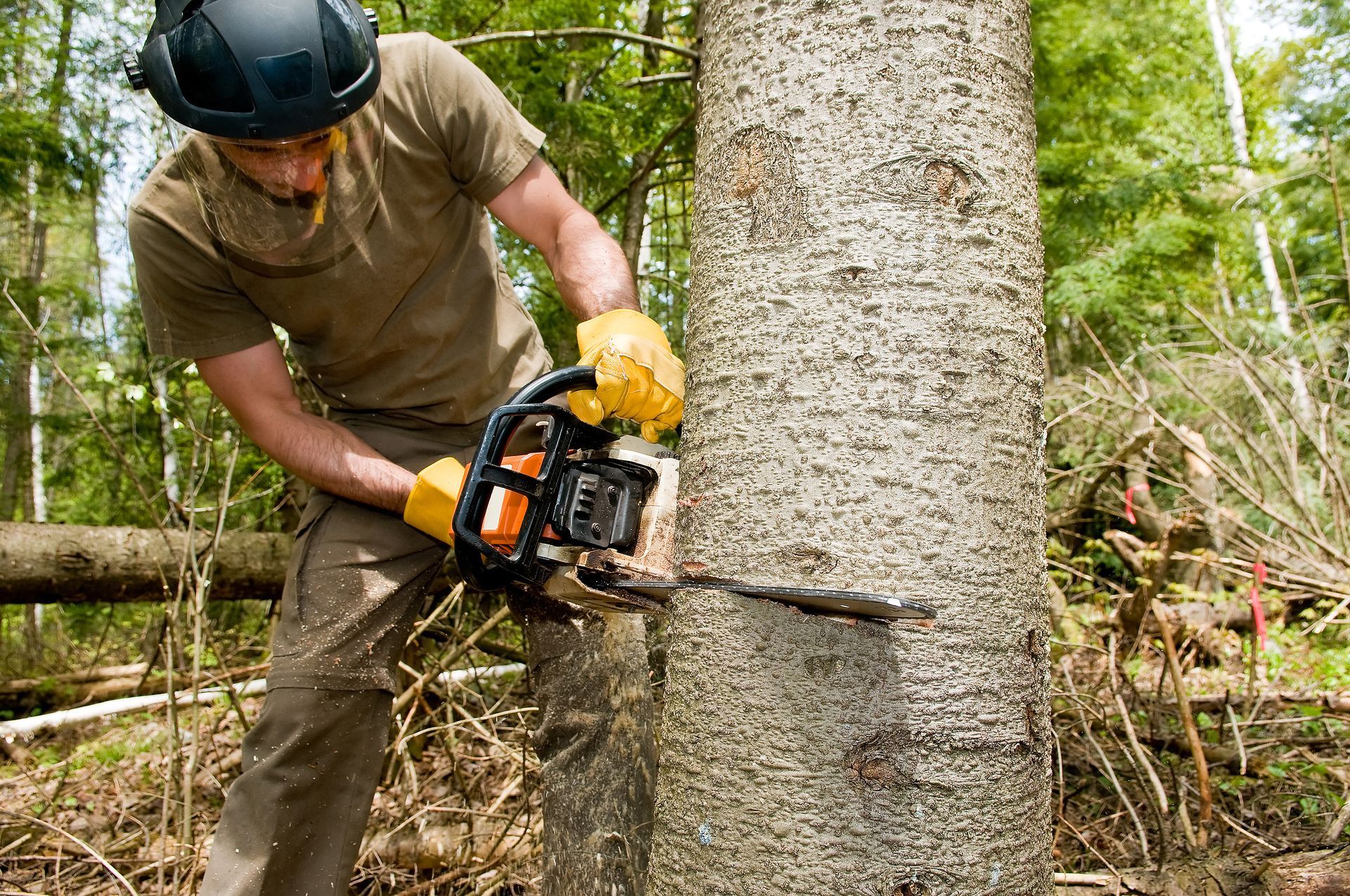
Attempting to chop down a large tree without proper training, safety harnesses, and professional equipment can lead to catastrophic property damage, severe personal injury, or costly liability claims. The sheer volume of skilled arborists dedicated to managing urban forests demonstrates how critical this specialized work is across the nation; according to the U.S. Bureau of Labor Statistics, there were about 151,000 tree trimmers and pruners employed in the U.S. in 2025. Understanding the primary technical techniques, specialized tools, and safety protocols involved in professional tree removal empowers property owners to make informed decisions when managing their outdoor spaces.
Utilizing Sectional Dismantling for Tight Residential Spaces
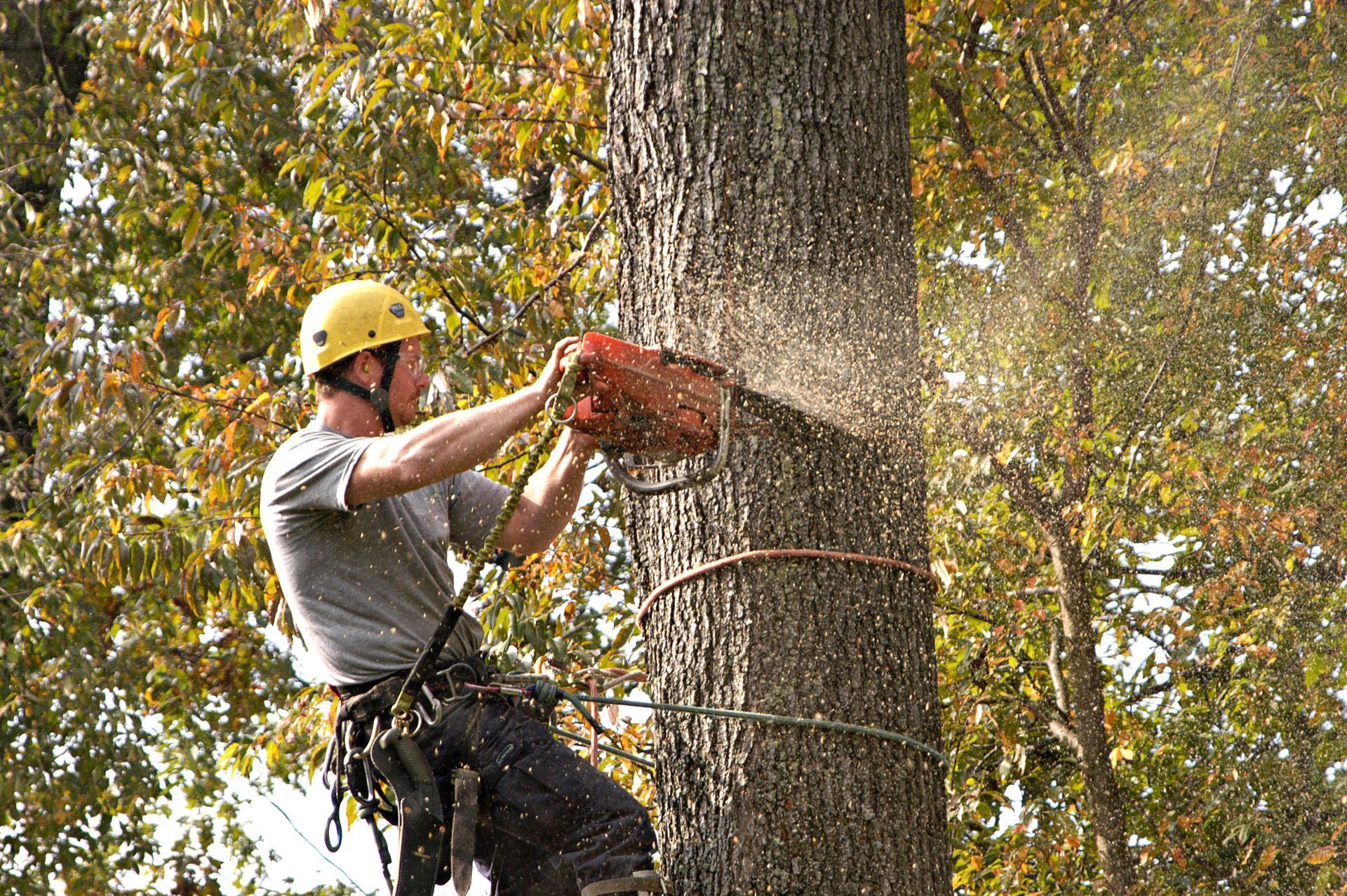
Executing sectional dismantling represents the primary standard method for extracting large trees situated within confined residential environments. When a hazardous tree stands close to homes, glass windows, wooden decks, or utility lines, arborists cannot simply fell the entire trunk from the base in a single piece. Sectional dismantling involves a professional climber ascending the tree, systematically removing lower lateral branches, and cutting the main trunk into manageable, bite-sized sections from the top downward.
As each branch or trunk section is severed, ground crews utilize specialized lowering ropes, friction brakes, and rigging pulleys to control the descent gently to the lawn below. This controlled rigging technique prevents heavy wooden limbs from crashing onto roofs, fences, or delicate flowerbeds. Utilizing sectional dismantling for complex tree removal tasks guarantees that surrounding structures remain completely unharmed throughout every stage of the extraction process.
Employing Heavy Cranes for Large or Unstable Trees
Deploying heavy hydraulic cranes provides a powerful, highly efficient solution for removing massive, severely decayed, or storm-damaged trees that are too hazardous for arborists to climb safely. When a tree suffers structural rot, hollow trunk cavities, or severe leaning following a storm, ascending the trunk poses extreme life-safety risks to tree care technicians. A mobile crane positions its telescopic boom directly over the tree canopy, allowing operators to secure heavy lifting straps around major limbs before any chainsaw cuts are made.
Once a limb or trunk segment is strapped securely to the crane hook, a certified technician cuts the wood cleanly. The crane operator then lifts the heavy timber section straight up into the air and transfers it over nearby obstacles to a designated drop zone in a driveway or street. Employing crane-assisted tree removal minimizes ground footprint, speeds up project completion times significantly, and eliminates structural failure risks during complex extractions.
Executing Traditional Directional Felling in Open Areas
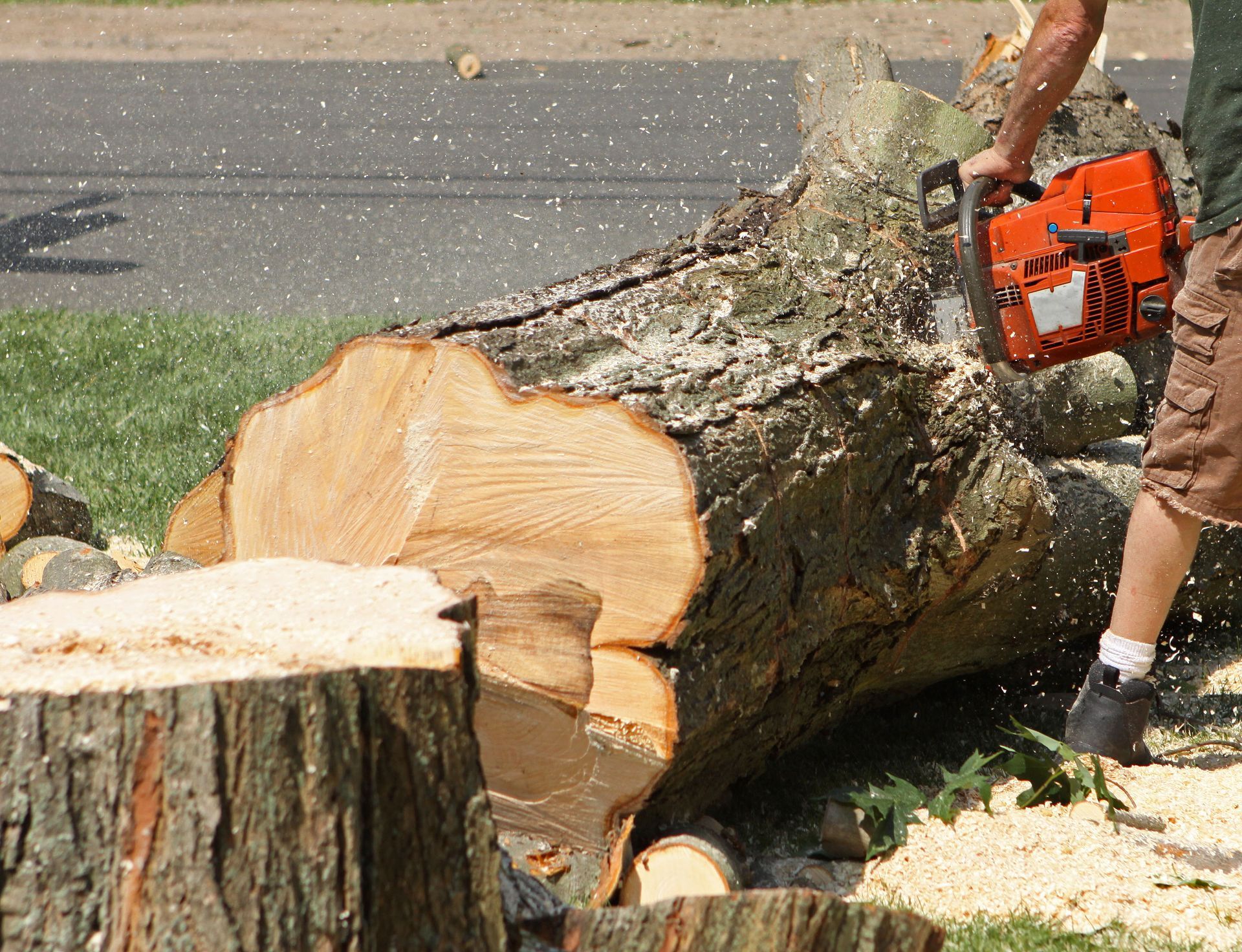
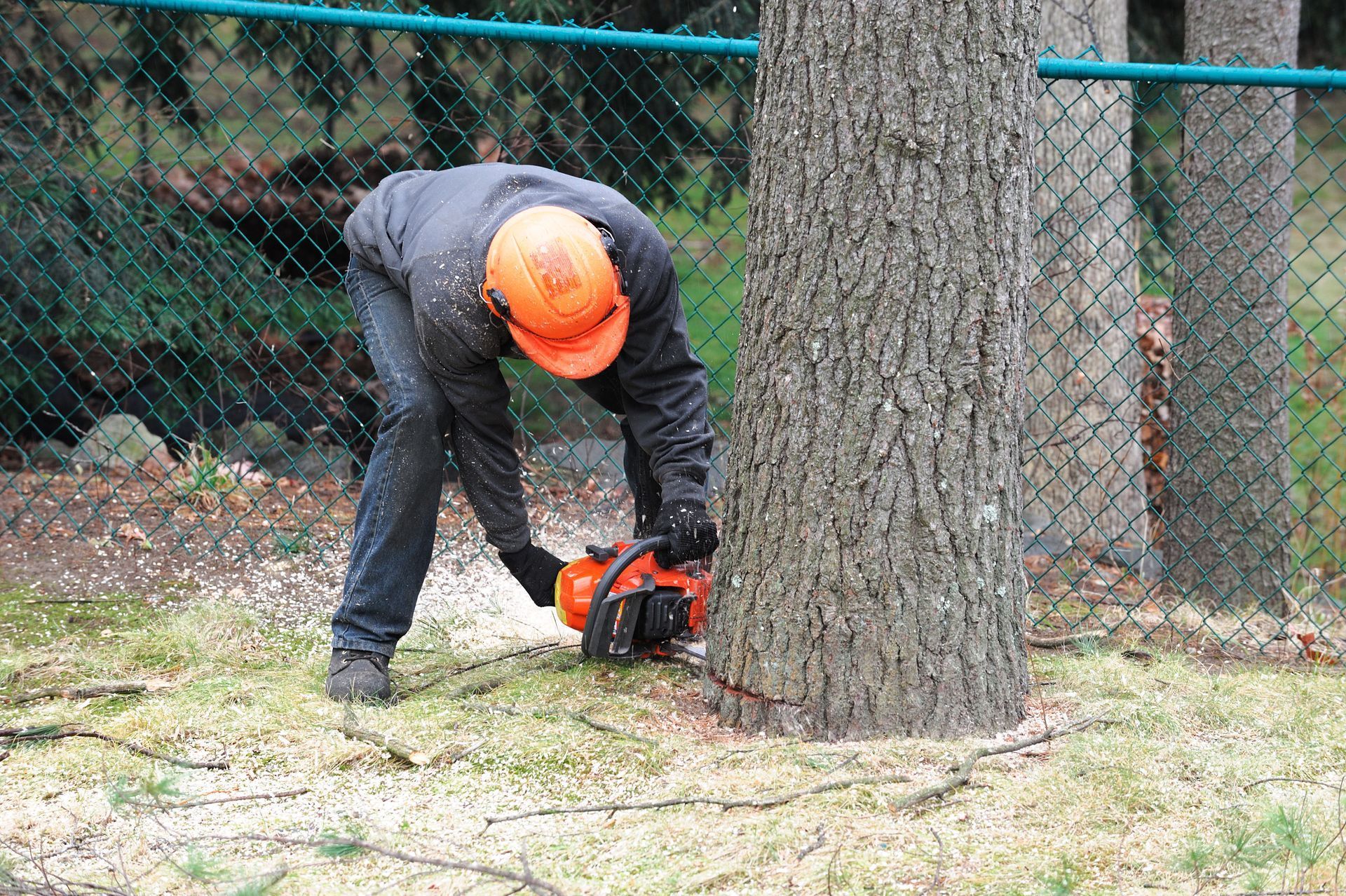
Executing traditional directional felling remains the fastest, most straightforward extraction technique when handling trees located in wide, open fields or rural properties. This classic method involves felling the entire tree in a single, continuous motion by cutting a precise directional notch near the base of the trunk. The technician creates a face notch pointing toward the intended landing area, followed by a horizontal back cut that creates a wood hinge to guide the tree smoothly to the ground.
While directional felling appears simple in concept, mastering the physics of timber weight distribution, lean angle, wind direction, and hinge thickness requires extensive practical experience. Arborists frequently utilize felling wedges and pull lines anchored to heavy trucks or winches to ensure the tree falls exactly along its intended path. Utilizing directional felling for open-space tree removal reduces labor expenses while clearing large parcels of land rapidly.
Applying Chemical Treatments for Controlled Decay and Sapling Control
Applying targeted chemical treatments offers a specialized, non-mechanical approach for managing small invasive saplings, nuisance stumps, or compromised root systems. When physical machinery cannot access a dense thicket or steep slope, applying selective arboricultural herbicides directly to fresh stump cuts or basal bark stops root sprouting and accelerates natural decomposition.
Chemical applications are particularly effective for preventing hardy, fast-growing species from sending up new suckers after the main trunk has been cut down. Certified technicians apply specialized liquid formulas precisely to the vascular cambium layer of the cut stem, ensuring the active ingredients travel down into the root system without leaching into surrounding soil or harming neighboring vegetation. Incorporating chemical methods alongside mechanical tree removal ensures complete, long-term eradication of persistent invasive species.
Grinding Stumps and Clearing Subsurface Root Networks
Grinding remaining stumps and extracting subsurface root masses forms the vital final phase of any complete timber extraction project. After the main trunk and canopy have been removed, a prominent wooden stump and an expansive underground root system remain embedded in the lawn. Leaving a raw stump behind creates a persistent tripping hazard, attracts wood-boring pests like termites and carpenter ants, and prevents homeowners from replanting grass or building new hardscape features.
Professional crews utilize heavy-duty hydraulic stump grinders equipped with high-speed carbide-tipped teeth to chew the raw stump down several inches beneath the soil line. The spinning cutting wheel reduces dense wood and major lateral roots into fine, nutrient-rich wood mulch that can be used to backfill the remaining hole. Completing stump grinding alongside primary tree removal restores your lawn to a smooth, level surface ready for new landscaping projects.
Clearing Debris and Processing Reclaimed Timber Materials
Clearing accumulated wood debris, branches, leaves, and heavy log sections efficiently is essential for leaving a property clean, safe, and visually appealing. Generating massive piles of brush and heavy wood logs is an inevitable byproduct of dropping large trees. Professional crews come equipped with industrial wood chippers, grapple trucks, and heavy-duty trailers to process and transport tons of organic material away from the site rapidly.
At South Shore Tree Removal Inc, we are deeply committed to protecting your property, elevating your outdoor environment, and delivering exceptional arboricultural solutions through master field craftsmanship, high-capacity equipment, and dedicated customer care. Our team of certified arborists, experienced climbers, and heavy equipment operators brings deep biological knowledge, advanced rigging gear, and meticulous attention to detail to every residential and commercial project we execute across our community. We take immense pride in evaluating your unique landscape layout, identifying hidden structural decay, and delivering customized tree extraction, crane operations, stump grinding, and site clearing solutions that withstand demanding weather conditions. Furthermore, our specialists prioritize clear, honest communication throughout every phase of service, guiding you from initial hazard assessment through final debris cleanup and property walkthroughs. We carefully select heavy-duty rigging lines, state-of-the-art cranes, and high-performance wood chippers that maximize operational safety, protect surrounding structures, and optimize overall efficiency. By tailoring every tree management plan to match your specific safety priorities and budget parameters, our crew ensures a seamless, stress-free experience that provides lasting property protection and complete peace of mind. Contact us today to schedule your comprehensive site evaluation and discover how our dedicated team can keep your landscape safe and beautiful.