November 9, 2026
A tree can have lush foliage, strong-looking branches, and a healthy canopy while hiding serious problems beneath its bark or underground. Root deterioration, internal decay, structural weaknesses, and pest infestations can gradually compromise a tree without producing obvious warning signs. These hidden conditions may eventually make the tree unstable or dangerous to nearby people and property. Understanding what happens beneath the surface helps homeowners recognize when professional evaluations are necessary. In some cases, local tree removal may be the most appropriate way to address a safety concern while protecting the surrounding landscape.
Root System Problems
Invasive Root Growth
Some trees develop aggressive root systems that extend far beyond their immediate surroundings. As roots search for water and nutrients, they can interfere with sidewalks, foundations, driveways, and underground utilities. Although the canopy may appear healthy, extensive root growth can create problems throughout a property.
Invasive roots can also compete with nearby vegetation for essential resources. Root barriers and other management techniques can sometimes address these concerns. However, local tree removal may become necessary when a tree's root system creates substantial damage or cannot be managed effectively.
Root Rot and Disease
Root rot is a serious condition commonly associated with fungal pathogens and poorly drained soil. It gradually damages the roots responsible for absorbing water and nutrients while helping anchor the tree. Because much of this deterioration happens underground, a tree may continue producing healthy-looking leaves even as its structural support declines.
Excessive moisture, compacted soil, and inadequate drainage can contribute to root disease. According to Urban Tree Risk Evaluation, trees with 33% or more root decay are considered at high risk for failure and may require removal. This makes professional assessment particularly important when underground deterioration is suspected.
Construction-Related Root Damage
Construction and landscaping projects can damage tree roots without immediately affecting the visible canopy. Excavation, trenching, heavy machinery, and changes in ground elevation can sever roots or compact the surrounding soil. These disturbances interfere with water absorption and limit healthy root development.
Some trees continue growing normally for months or even years after construction-related damage. However, their root systems may gradually weaken, creating instability that becomes more apparent during severe weather. Establishing protective zones and limiting unnecessary soil disturbance can reduce these risks. When extensive damage cannot be corrected, removal may become necessary.
Reduced Tree Stability
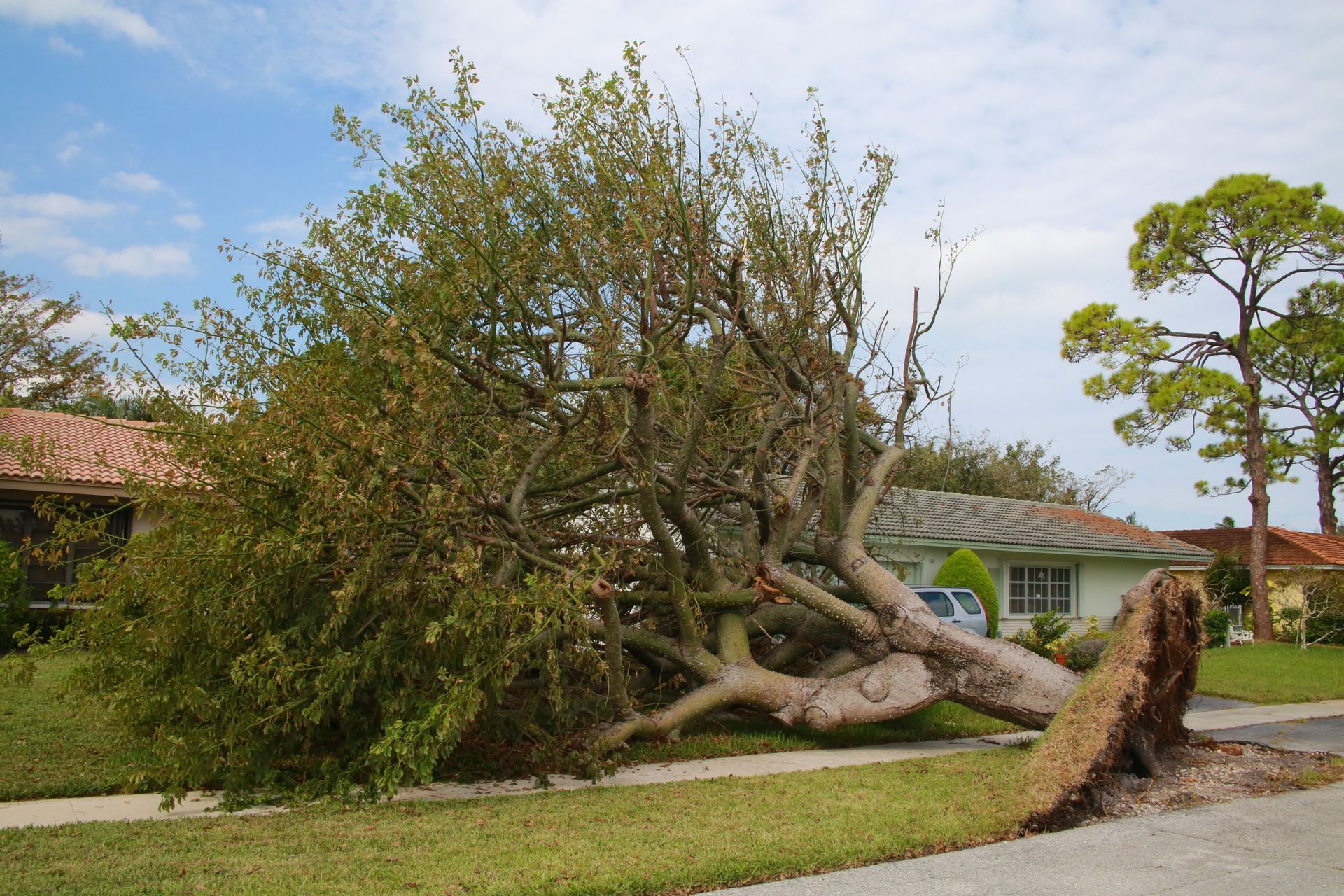
A tree's ability to remain upright depends heavily on its root system and the soil surrounding it. Erosion, saturated ground, and previous storm damage can weaken the connection between roots and soil. These problems may develop without noticeably affecting the tree's leaves or branches.
Leaning, exposed roots, and disturbed soil near the trunk can indicate potential stability concerns. A professional evaluation helps determine whether the tree can remain safely in place or requires local tree removal. Addressing instability early can reduce the possibility of unexpected failure and property damage.
Hidden Structural Weaknesses
Internal Wood Decay
Internal decay can compromise a tree's strength while leaving much of its exterior seemingly unchanged. Fungal activity, physical injuries, and prolonged environmental stress can damage the wood inside a trunk or major branch. As decay spreads, the affected area may lose its ability to support the tree's weight.
Fungal growth near the trunk, cavities, unusual bark changes, and repeated limb failures can indicate underlying problems. Arborists may use specialized inspection methods to evaluate internal wood conditions and determine whether the tree remains structurally sound. Depending on the findings, pruning or other management strategies may be possible, although extensive deterioration can make removal necessary.
Trunk Cracks and Splits
Cracks in a tree's trunk can develop because of physical injuries, temperature fluctuations, or structural stress. Even when a tree continues producing healthy foliage, a deep split may indicate weakened supporting wood. Certain cracks can expand under pressure from wind, rain, or heavy branches.
The location and depth of a crack influence its potential significance. Some problems may be managed through professional pruning, cabling, or bracing. Others indicate more extensive damage that cannot be corrected safely. A qualified evaluation helps determine whether local tree removal is warranted.
Damage from Improper Pruning
Incorrect pruning can create long-term structural problems even when the tree initially appears unaffected. Excessive branch removal and topping can interfere with natural growth patterns, encourage weak regrowth, and leave the tree vulnerable to pests and disease.
Improper cuts can also create entry points for decay organisms. Over time, weakened branch attachments and uneven weight distribution may increase the likelihood of limb failure. Corrective pruning can sometimes improve the tree's structure, but extensive damage may limit recovery.
Weak Double-Trunk Connections
Some trees develop two main trunks that join at a narrow angle. This formation can create a weak connection, particularly when bark becomes trapped between the adjoining sections. As the trunks grow larger, pressure at the union may increase, making the connection more vulnerable to splitting.
Not every double-trunk tree presents an immediate hazard. Arborists may recommend monitoring, selective pruning, or support systems when appropriate. If the connection is severely compromised and threatens nearby structures or people, removal may be the safer option.
Pest and Disease Activity
Early Signs of Infestation
Pest infestations can gradually weaken trees without immediately changing their overall appearance. Small holes in the bark, unusual leaf discoloration, premature leaf drop, and sawdust-like material near the trunk can indicate insect activity. Some pests attack the outer layers of a tree, while others burrow into the wood and damage essential tissues.
Early identification can make a meaningful difference in managing infestations. Professional inspections help determine which pests are present, how extensively they have affected the tree, and whether treatment is practical. When an infestation causes severe structural damage, local tree removal may be necessary to address the remaining hazard.
Common Harmful Pests
Several insects can threaten tree health, including emerald ash borers, bark beetles, and certain types of wood-boring insects. Many damage the tissues responsible for transporting water and nutrients. Some infestations also create openings that allow fungal diseases to develop.
Identifying the specific pest is important because treatment options vary by species and the extent of the infestation. Insecticides, biological controls, and other management approaches may help preserve affected trees. However, trees with extensive damage may become unstable even after pest activity has been addressed.
Disease-Related Decline
Fungal and bacterial diseases can affect different parts of a tree, including its roots, trunk, and branches. Some conditions progress slowly, allowing a tree to maintain a relatively healthy appearance while its internal systems deteriorate. Others spread quickly and can affect nearby vegetation.
Recognizing disease symptoms early helps determine whether treatment can manage the condition. Arborists can evaluate affected areas and recommend appropriate care. If the disease has severely compromised the tree's structure or created an ongoing hazard, removal may be the most practical solution.
The Necessity of Professional Tree Removal
Not every tree with damaged roots, internal decay, or pest activity needs to be removed. The extent of the problem, the tree's overall condition, and its proximity to homes, walkways, and other structures all influence the decision. Some issues can be managed through corrective pruning, soil improvements, or targeted treatments.
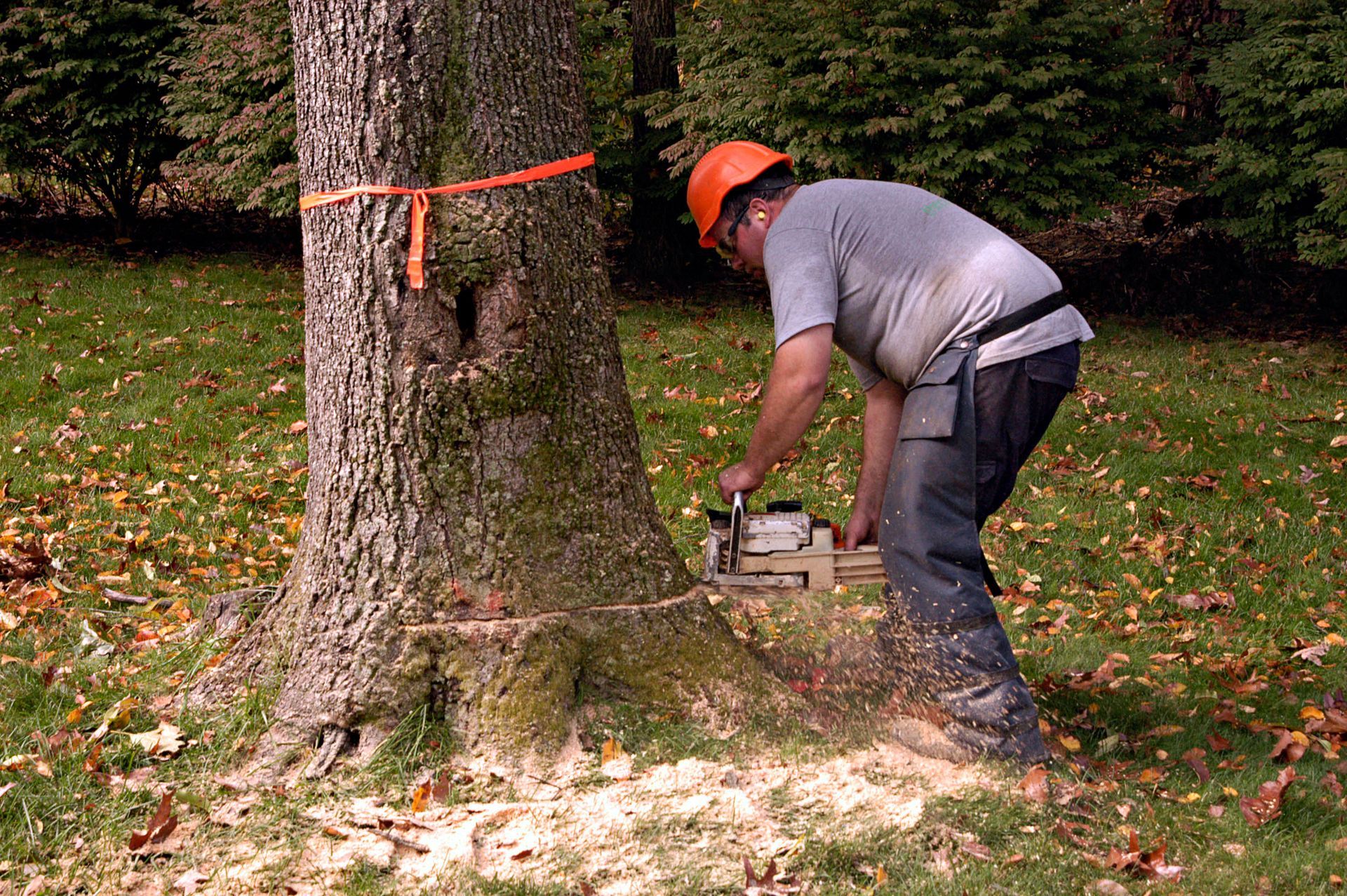
However, trees with extensive root deterioration or significant structural weaknesses may present risks that routine maintenance cannot resolve. Professional evaluations provide a clearer understanding of those concerns and help homeowners determine the appropriate next steps. Scheduling local tree removal when a tree is beyond recovery can help reduce the potential for falling limbs, trunk failure, and property damage.
Homeowners should avoid assuming that a full canopy or healthy-looking leaves guarantee structural stability. Problems beneath the soil and inside the trunk can remain hidden until conditions worsen. Regular inspections are especially valuable for mature trees, those near construction areas, and trees that have experienced previous storm damage.
If you suspect a tree on your property has hidden damage, contact South Shore Tree Removal Inc. for professional assistance. Their team can evaluate concerning trees, identify potential hazards, and help determine whether removal is appropriate. Taking action when underlying problems are discovered can help protect your property and maintain a safer outdoor environment.